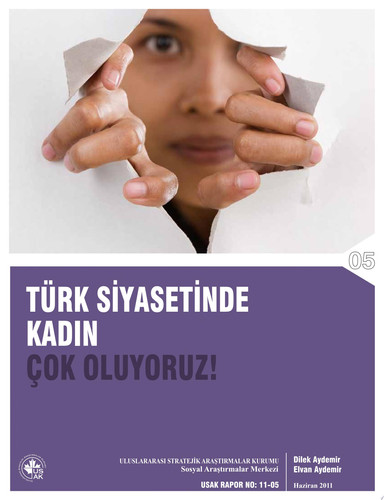
In the intricate tapestry of Turkish political life, a persistent narrative often surfaces: that women, despite an early start in the race, have fallen behind. It is frequently underscored that Turkish women gained the right to vote and be elected far ahead of their counterparts in many nations across the globe. Yet, a deeper examination reveals a stark reality beneath this common refrain.
Throughout the entire Republican era, the halls of parliament have never seen women represented in numbers even remotely approaching those of men. This enduring disparity, this noticeable presence and absence of women in Turkish politics, serves as a constant, echoing testament to the deeply ingrained notion that politics remains, unequivocally, a man's domain in Turkey.
This comprehensive report delves into the very heart of this issue, seeking to illuminate the myriad challenges women encounter in their pursuit of political participation and their journey toward inclusion in decision-making mechanisms. It meticulously scrutinizes the underlying reasons for the persistently low representation of women within the Turkish political system, offering a critical lens through which to understand this systemic imbalance.
Beyond merely identifying the problem, the analysis extends to a comparative study, drawing parallels and contrasts with international efforts and experiences. It argues with conviction that the aspiration to elevate the level of women's representation in politics is not an isolated goal, but rather an objective intrinsically linked to and achievable only through a broader struggle against the multifaceted dimensions of gender inequality prevalent in society.
For the very fabric of Turkish democracy to evolve into a more pluralistic and inclusive structure, it becomes imperative that the distinct agendas, concerns, and voices of women are not only acknowledged but brought to the forefront of political discourse. Their unique perspectives must be debated and integrated into the national conversation, allowing for a richer, more representative political landscape to emerge.
In light of these pressing needs, the report critically examines the efficacy of a quota system, a mechanism employed in various parliaments worldwide. It posits that, when thoughtfully adapted and implemented within the specific context and structure of Turkey, such a system could indeed serve as a potent and effective alternative to significantly bolster the level of women's representation in the political arena.