A quiet revolution has been unfolding across the globe, a demographic shift marked by an ever-growing population of older adults, bringing with it a unique set of challenges and an urgent call for specialized care. For decades, the scientific community has underscored the indispensable need for a comprehensive, multidisciplinary approach to address the complex health issues faced by this vulnerable demographic. Yet, the practical implementation of such integrated care often remains an elusive goal, hindered by the inherent difficulties in coordinating diverse health professions.
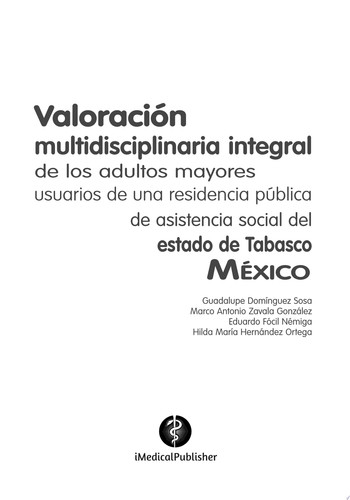
Imagine a public social assistance residence in Tabasco, Mexico, a place where older adults, often without a home or strong family ties, find refuge and care. Within these walls, a pioneering effort unfolds, meticulously documenting a diagnostic evaluation of the health status of this particular population. It is here that the theoretical ideal of multidisciplinary care truly begins to take shape, transforming into a tangible, actionable process designed to illuminate the intricate tapestry of their well-being.
This endeavor brings together a dedicated team, a symphony of specialized knowledge and compassionate attention. Professionals from medicine, rehabilitation, nursing, stomatology, nutrition, psychology, and social work converge, each contributing their unique perspective to paint a complete picture of each individual's needs. Their collective efforts are not merely additive, but synergistic, allowing for a depth of understanding that no single discipline could achieve alone.
The core of this assessment lies in the meticulous identification of various geriatric syndromes. These are not merely isolated ailments but often interconnected conditions that profoundly impact an older adult's functional capacity, cognitive abilities, emotional state, and social integration. The team delves into each of these domains, examining physical health, mobility, nutritional status, mental acuity, and the crucial social support networks surrounding each resident.
Through this collaborative lens, patterns emerge, revealing the prevalence of specific syndromes and, crucially, the intricate associations between them. One might observe how a decline in functional independence correlates with signs of depression, or how nutritional deficiencies exacerbate cognitive impairment. Such insights are paramount, guiding the development of tailored interventions that address the root causes and cascading effects of these complex health challenges.
Beyond the immediate diagnostic findings, this work offers a profound practical contribution: a detailed blueprint of the entire evaluation process. It meticulously outlines the steps, tools, and collaborative strategies employed, transforming a complex undertaking into a replicable model. This detailed methodology serves as an invaluable guide for other gerontogeriatric care centers, providing a pathway to implement similar comprehensive assessments and elevate the standard of care for older adults across Mexico and beyond.
This comprehensive, multidisciplinary assessment stands as a testament to the power of integrated care. It not only sheds light on the specific health realities of older adults in social assistance settings but also provides a vital framework for fostering their independence, enhancing their quality of life, and ensuring they receive the dignified and holistic attention they deserve as they navigate the later stages of life.