The world shifted violently for Thomas Chazal, a simple turner at the SNCF depot in Le Teil, Ardèche, when 1942 clamped down upon him. Arrested by the Vichy police, he was swiftly handed over to German authorities, his life's steady rhythm shattered. He found himself transported to a factory near Auschwitz, in the desolate expanses of Poland, where his skilled hands were pressed into service under conditions that clawed at the very fabric of human endurance.
Days bled into weeks, weeks into months, each marked by the relentless grind of labor and the gnawing specter of despair. Around him, the industrial machinery whirred, a constant, cruel counterpoint to the suffering of those forced to operate it. Yet, Thomas clung to the vestiges of his former life, to the memory of home, a faint flicker against the encroaching darkness. He worked, he survived, his spirit hardened but not broken by the unyielding demands and the ever-present threat.
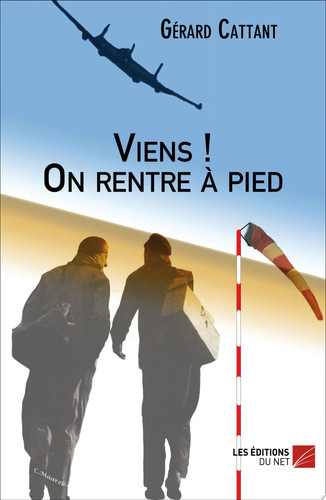
Then came the roar of liberation, the Red Army sweeping through, casting off the chains that bound him. Free, yet utterly dislocated, Thomas found himself adrift in Odessa, Crimea. The promise of repatriation glimmered, an airplane offered to carry him back to France. But the sight of the decrepit aircraft, a flimsy vessel of hope, stirred a deep distrust within him. A profound, almost primal decision solidified: he would not fly. He would walk. He would return to France on his own two feet.
Thus began an odyssey of staggering proportions, a journey of over 2000 kilometers across a continent still smoldering from the embers of war. Europe lay in ruins, a landscape of ash and ghosts, where roads were broken and towns were hushed. Each step was a testament to his resolve, a defiance against the vast distance and the perilous unknowns that lay ahead. He carried little but his memories and an unyielding will to see his Ardèche home once more.
Along the desolate routes, Thomas encountered fragments of humanity: fellow wanderers, soldiers making their weary way back, villagers picking through the rubble of their lives. In these fleeting connections, in shared meals of meager rations, or in the silent understanding exchanged with another survivor, he found fleeting moments of warmth and camaraderie. These were the precious respites, the brief glimpses of light in a world still steeped in shadow, reminding him of the goodness that persisted even in devastation.
The journey was a brutal test of body and spirit. Hunger gnawed, cold bit deep, and exhaustion threatened to claim him with every passing day. Yet, the vision of his family, of the familiar hills of Ardèche, propelled him forward. He walked through forests, across plains, and over the skeletal remains of bridges, his boots wearing down with each kilometer, his resolve hardening with every obstacle overcome.
Amidst the harsh realities, there were moments, unexpected and almost surreal, that touched with a strange humor or a profound sense of grace. A kind word from a stranger, a burst of laughter in a ruined village, or the simple beauty of a sunrise over a scarred landscape offered poignant contrasts to the grimness. These were the unforeseen gifts of his arduous trek, small mercies that reaffirmed life's enduring, if fragile, presence.
As the kilometers dwindled, a new wave of emotions washed over him. Anticipation mingled with a profound trepidation. What would he find? Who would be waiting? The Europe he had known was gone, and he braced himself for the possibility that the life he clung to in his memories might also have vanished. The nearing of his homeland was not just a physical approach, but a journey into an uncertain future.
After nearly three months of relentless walking, Thomas Chazal finally stepped back onto French soil, the familiar contours of Ardèche slowly revealing themselves. His incredible journey, born of desperation and fueled by an unbreakable will, culminated in the reunion with what remained of his family. He had walked through the heart of darkness and emerged, a testament to the indomitable human spirit, forever changed by the echoes of a continent's suffering and the quiet triumph of his own return.