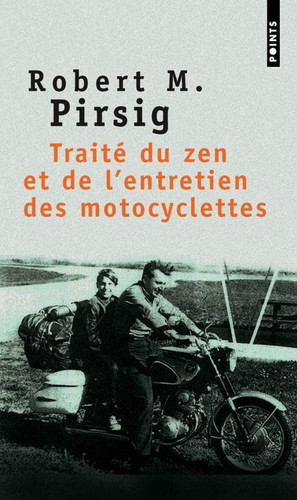
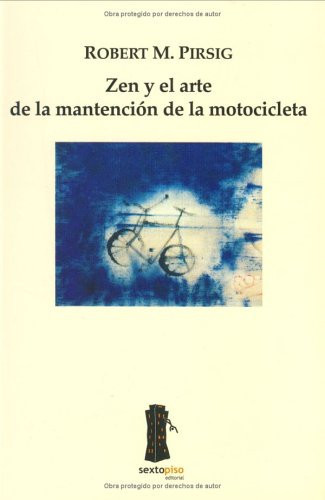
The roar of the engine, a steady thrum beneath us, carried us westward from the heart of Minnesota, my son Chris perched behind me, a silent, sometimes moody companion. This journey, a simple summer motorcycle trip across the vast American landscape, was more than just a physical passage. It was a winding road into the mind itself, a deliberate exploration of the elusive thing called Quality, and the fractured self that had once grappled with its very nature. We rode with friends, John and Sylvia Sutherland, at first, their gleaming BMW a contrast to my older machine, and their aversion to the mechanical details of the road quickly illuminated the chasm between two ways of seeing the world: the romantic and the classical.
John, a free spirit and drummer, found the inner workings of his motorcycle to be a dull, technical burden, preferring instead to simply experience the ride, the wind, the open road. He valued the aesthetic, the feeling, the spontaneous "grooviness" of it all. I, on the other hand, found immense satisfaction and a profound connection in understanding the machine, in the precise, rational act of maintenance and repair. This difference, seemingly trivial, became the starting point for what I called "Chautauquas" - philosophical digressions delivered as we rode, delving into the very structure of human thought and experience.
As the miles accumulated, so too did the fragments of a past life, a shadowy figure named Phaedrus, who was, in truth, my former self. Years ago, a severe mental breakdown and electroshock therapy had cleaved my identity, leaving me with only hazy recollections of the intensely intellectual man I had been. Phaedrus had been a brilliant teacher, obsessed with the concept of Quality, a metaphysical force he believed was the fundamental fabric of reality, transcending the rigid division between subject and object. He had sought to reconcile the seemingly opposed classical and romantic worldviews, believing that true excellence, or areté, lay in their harmonious integration.
Our physical journey took us through the stark beauty of the Dakotas and into Montana, a landscape that triggered increasingly vivid and unsettling memories of Phaedrus's time teaching in Bozeman. Chris, my eleven-year-old son, began to exhibit his own struggles, a growing anxiety and physical discomfort that mirrored the internal turmoil I was experiencing. His clinginess, his subtle signs of distress, were deeply unsettling, hinting at a shared vulnerability, a connection I felt but struggled to fully grasp or alleviate.
John and Sylvia eventually turned back, unable to fully engage with the deeper, more introspective journey unfolding. Alone with Chris, the Chautauquas intensified, becoming a desperate attempt to reconstruct Phaedrus's intellectual quest for Quality. I delved into the history of Western thought, challenging the Platonic and Aristotelian dualisms that had, I argued, separated reason from emotion, science from art, and ultimately led to a cultural malaise, a disconnection from the very "Quality" of life. The act of motorcycle maintenance, far from being merely technical, became a metaphor for this search - a direct engagement with reality, a fusion of rational analysis and intuitive understanding.
The pursuit of Quality, Phaedrus had discovered, was not an abstract academic exercise but a deeply personal, almost spiritual endeavor. It was about seeing the "rightness" of things, the inherent value that exists before we impose our subjective interpretations or objective measurements. It was about escaping the "gumption traps" – the internal and external obstacles that drain enthusiasm and prevent us from truly engaging with the world and our work. This profound understanding, however, had come at a terrible cost, pushing Phaedrus to the brink of insanity in his relentless, solitary pursuit.
As we neared the Pacific, Chris's condition worsened, his mental state fragile, his fear palpable. The ghost of Phaedrus, once a distant, intellectual construct, began to loom larger, threatening to reassert itself. I feared for Chris, and for myself, recognizing the echoes of my past madness in his present suffering. It was a terrifying dance on the edge of memory and identity, a struggle to integrate the disparate parts of myself before the past consumed us both.
In a moment of raw vulnerability, I revealed to Chris the truth of Phaedrus, the electroshock therapy, the lost self. His distress was profound, but a question he posed, about a glass door that had separated us in the hospital, sparked a revelation. Phaedrus was not insane; he had simply seen a truth that society was not ready to accept. In that shared moment of understanding, a fragile bridge began to form between my present self and my past, between father and son. The fragmented self began to mend, and the journey, both physical and philosophical, found its resolution not in definitive answers, but in a newfound, integrated way of being, embracing the rational and the romantic, the head and the heart, as we rode towards the ocean, together at last.