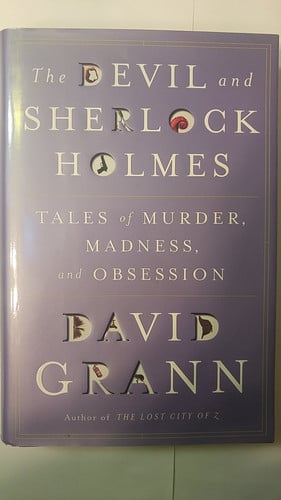
Positives David Grann's collection of articles is widely praised for its exceptional writing and meticulous investigative journalism. Reviewers consistently highlight Grann's talent for crafting compelling narratives, bringing a diverse array of real-life stories to vivid life with thorough research and insightful prose. Many found the individual pieces fascinating and engrossing, appreciating how Grann delves deeply into his subjects and presents complex situations in an accessible manner. The book is lauded for its thought-provoking content, prompting readers to reflect on human nature, justice, and the often-unforeseen depths of obsession. Specific stories frequently mentioned for their intrigue include the mysterious circumstances surrounding a Sherlock Holmes enthusiast, the extraordinary life of a serial imposter, and the poignant account of a 9/11 firefighter grappling with memory loss.
Negatives Despite the strong writing, several reviewers expressed disappointment with certain aspects of the collection. The most common criticism centers on the book's title, "The Devil & Sherlock Holmes," which many found misleading. Readers expecting a consistent theme of Sherlockian mysteries or traditional true crime were often surprised by the breadth of subjects, as only a few stories directly relate to the titular elements. This perceived lack of thematic cohesion led some to feel the articles were gathered rather randomly, resulting in an inconsistent reading experience. While individual pieces were strong, the overall quality and reader interest were noted to vary, with some stories being less compelling or deviating significantly from what true crime enthusiasts might expect, such as explorations of natural science or infrastructure.
Conclusion Ultimately, "The Devil & Sherlock Holmes" is considered a very readable and often entertaining collection, with Grann's renowned storytelling ability frequently compensating for its perceived structural weaknesses. While it may not always satisfy readers looking for a strictly cohesive true crime anthology, it offers a rich and varied selection of narrative journalism. This book is particularly recommended for existing fans of David Grann's work and those who appreciate well-researched, diverse non-fiction essays that explore the "messiness of life" and the human struggle to make sense of it. Readers should approach it as an eclectic compilation of captivating magazine articles, perfect for those who enjoy dipping into intriguing real-life stories across a wide spectrum of human experience.