
Add to library
You don't have any lists yet. Create one in My Library.
Go to My LibraryAdd to library
You don't have any lists yet. Create one in My Library.
Go to My Library富爸爸, 穷爸爸
- Language
- Chinese
- Published in
- Publisher
- 世界图书出版公司
- Pages
- 205
- ISBN
- 9787506246743
It challenges conventional wisdom about wealth, arguing that a high income does not necessarily lead to financial security. Instead, it advocates for the importance of financial literacy, which is seldom taught in schools. The narrative focuses on the fundamental difference between an asset and a liability, teaching readers how to acquire income-generating assets and avoid the financial traps that keep many in a cycle of debt. This book provides a foundational perspective on building wealth by taking control of your financial future.
Subjects
Original edition details
Other editions (78)

Rich Dad Poor Dad What the Rich Teach Their Kids about Money That the Poor and Middle Class Do Not!
2022 • Plata Publishing
English

Rich Dad Poor Dad What the Rich Teach Their Kids about Money That the Poor and Middle Class Do Not!
2022 • Plata Publishing
English

Rich Dad Poor Dad What the Rich Teach Their Kids about Money That the Poor and Middle Class Do Not!
2017 • Plata Publishing
English

Rich Dad Poor Dad: What The Rich Teach Their Kids About Money - That The Poor And Middle Class Do Not!
2011 • Plata Publishing
English

Rich Dad Poor Dad What the Rich Teach Their Kids about Money That the Poor and Middle Class Do Not!
2017 • Plata Publishing
English
Other editions
Rich Dad Poor Dad What the Rich Teach Their Kids about Money That the Poor and Middle Class Do Not!
2022 • Plata Publishing
English
Rich Dad Poor Dad What the Rich Teach Their Kids about Money That the Poor and Middle Class Do Not!
2022 • Plata Publishing
English
Rich Dad Poor Dad What the Rich Teach Their Kids about Money That the Poor and Middle Class Do Not!
2017 • Plata Publishing
English
Rich Dad Poor Dad: What The Rich Teach Their Kids About Money - That The Poor And Middle Class Do Not!
2011 • Plata Publishing
English
Rich Dad Poor Dad What the Rich Teach Their Kids about Money That the Poor and Middle Class Do Not!
2017 • Plata Publishing
English

Rich Dad, Poor Dad What the Rich Teach Their Kids about Money-- that the Poor and Middle Class Do Not!
2000 • Warner Books
English

Rich Dad Poor Dad What the Rich Teach Their Kids about Money That the Poor and Middle Class Do Not!
2011 • Plata Publishing
English

Zengin Baba Yoksul Baba Zenginler Cocuklarina, Orta Sinif ve Alt Sinifin Parayla Ilgili Ögretmedigi Neyi Ögretiyor?
2021 • Alfa Basim Yayim Dagitim
Turkish

富爸爸, 窮爸爸
2009 • 高寶
Chinese
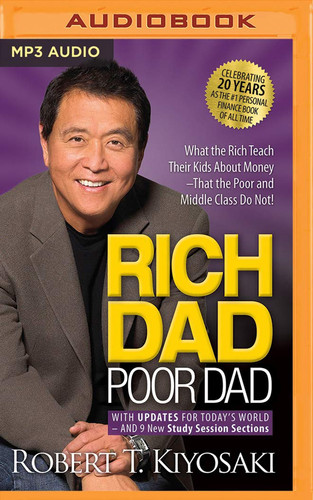
Rich Dad Poor Dad: 20th Anniversary Edition
2019 • Rich Dad on Brilliance Audio
English

富爸爸, 窮爸爸
2001 • 世界圖書出版公司, 高寶國際集團
Chinese

Padre Rico, padre Pobre (edición actualizada)
2023 • DEBOLSILLO
Spanish

Rich Dad, Poor Dad
1998 • Recorded Book
English
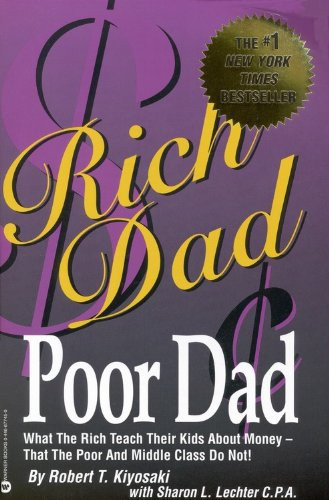
Rich Dad, Poor Dad What the Rich Teach Their Kids about Money-- that the Poor and Middle Class Do Not!
2000 • Warner Business Books
English
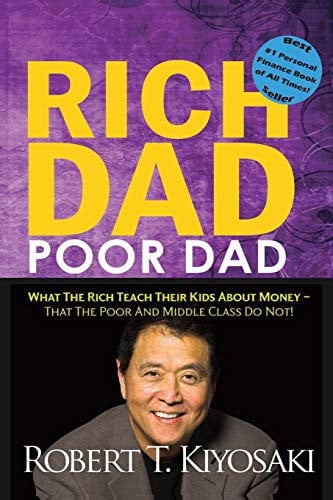
Rich Dad Poor Dad
2019 • Blurb, Incorporated
English

Rich Dad, Poor Dad: Robert T. Kiyosaki (English Edition)
2015 • CreateSpace Independent Publishing Platform
English

Rich Dad Poor Dad
2017 • Rich Dad on Brilliance Audio
English

Rich Dad, Poor Dad Was die Reichen ihren Kindern über Geld beibringen
2007 • Goldmann
German

Rich Dad Poor Dad (Korean Edition)
2000 • HwangGumGaJi
Korean
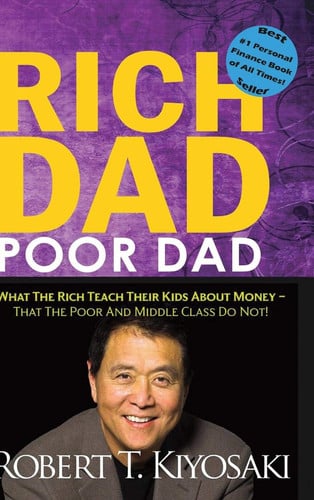
Rich Dad Poor Dad
2019 • Blurb, Incorporated
English

Rich Dad, Poor Dad Financial Education Essentials
2016 • CreateSpace Independent Publishing Platform
English

Rich Dad, Poor Dad What the Rich Teach Their Kids about Money - that the Poor and Middle Class Do Not!
2002 • Time Warner Paperbacks
English
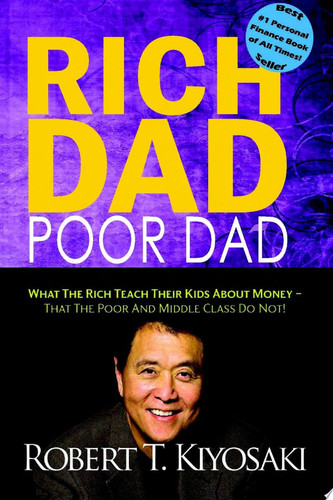
Rich Dad Poor Dad - What the Rich Teach Their Kids About Money
2021 • Lulu.com
English
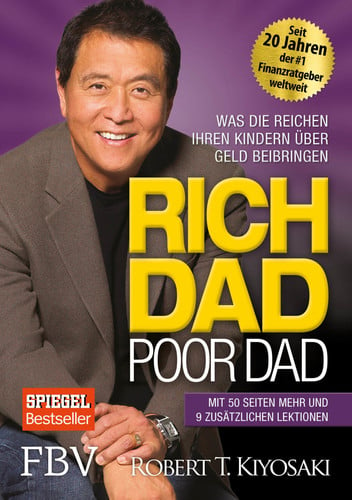
Rich Dad Poor Dad Was die Reichen ihren Kindern über Geld beibringen
2015 • FBV
German

Rich Dad, Poor Dad What the Rich Teach Their Kids about Money-- that the Poor and Middle Class Do Not!
2000 • Warner Books
English

Padre Rico, Padre Pobre. Edición 20 aniversario / Rich Dad Poor Dad
2017 • National Geographic Books
Spanish
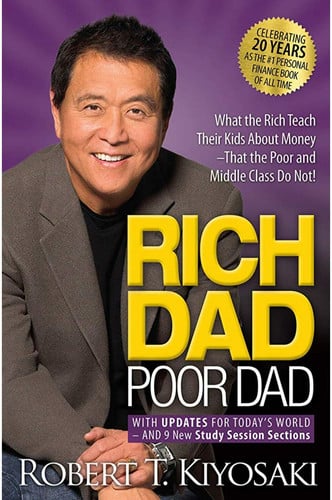
Rich Dad Poor Dad
2001 • Hachette Audio
English
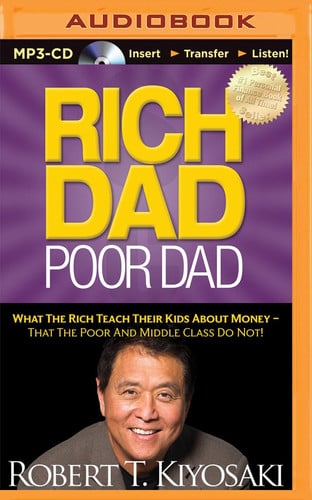
Rich Dad Poor Dad
2014 • Rich Dad on Brilliance Audio
English
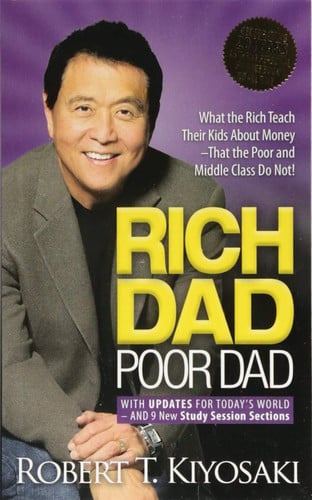
Rich Dad Poor Dad
2017 • Plata
English

Богатый папа, бедный папа
2003 • Popurri
Russian

Padre Rico, Padre Pobre Que les Ensenan los Ricos a Sus Hijos Acerca del Dinero, Que las Clases Media y Pobre No!
2008 • Penguin Random House Grupo Editorial (USA) LLC
Spanish

Padre Rico, Padre Pobre (Edición 25 Aniversario) / Rich Dad Poor Dad
2022 • National Geographic Books
Spanish
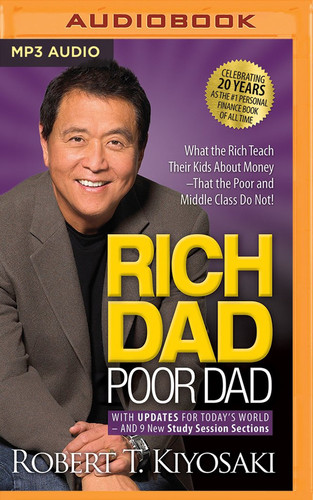
Rich Dad Poor Dad: What The Rich Teach Their Kids About Money - That the Poor and Middle Class Do Not!
2018 • Brilliance Audio
English

Rich Dad Poor Dad - 20th Anniversary Edition (Hindi)
2013 • Manjul Publishing
Hindi

Rich Dad, Poor Dad B Special
2002 • Little, Brown Book Group Limited
English

Rich Dad Poor Dad: What the Rich Teach Their Kids about Money? that the Poor and the Middle Class Do Not!
2001 • Grand Central Publishing
English

富爸爸, 窮爸爸
2016 • 高寶國際出版
Chinese
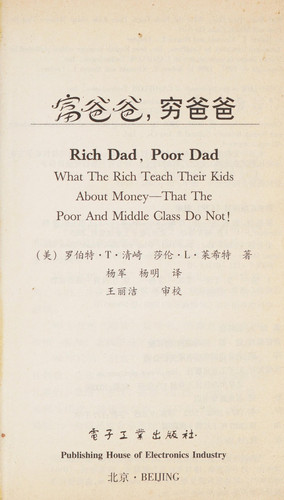
富爸爸,穷爸爸
2005 • 电子工业出版社
Chinese
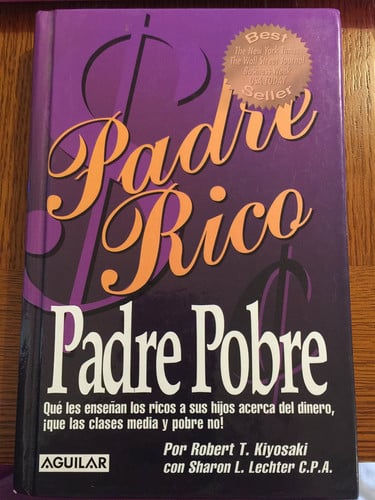
Padre rico, padre pobre que les enseñan los ricos a sus hijos acerca del dinero, Łque las clases media y pobre no¿
Aguilar
Spanish

Rich Dad Poor Dad What the Rich Teach Their Kids about Money-- that the Poor and Middle Class Do Not!
2009 • Business Plus
English
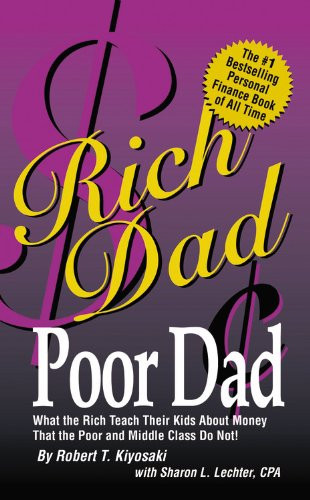
Rich Dad Poor Dad: What the Rich Teach Their Kids about Money--That the Poor and Middle Class Do Not!
2000 • iPublish.com
English
Rich Dad Poor Dad: What the Rich Teach Their Kids about Money--That the Poor and Middle Class Do Not!
2001 • iPublish.com
English
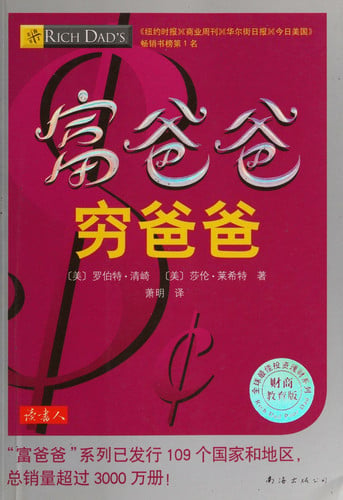
富爸爸穷爸爸
2011 • 南海
Chinese
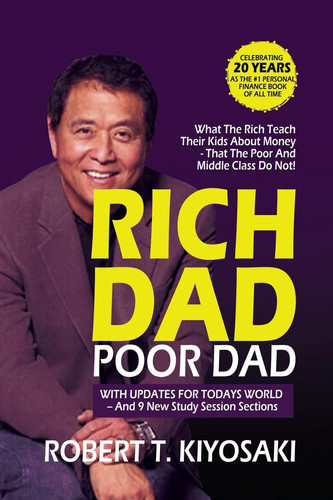
Rich Dad Poor Dad What the Rich Teach their Kids About Money
2020 • Bespoke Books
English
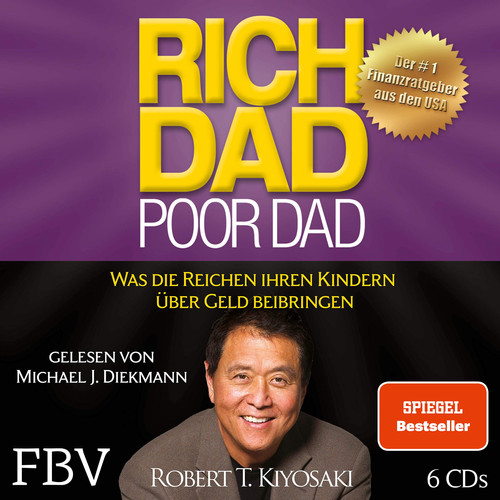
Rich Dad Poor Dad Was die Reichen ihren Kindern über Geld beibringen
2015 • FinanzBuch Verlag
German
Rich Dad Poor Dad: What The Rich Teach Their Kids About Money - That the Poor and Middle Class Do Not!
2012 • Rich Dad on Brilliance Audio
English
Rich Dad Poor Dad: What The Rich Teach Their Kids About Money - That the Poor and Middle Class Do Not!
2012 • Rich Dad on Brilliance Audio
English
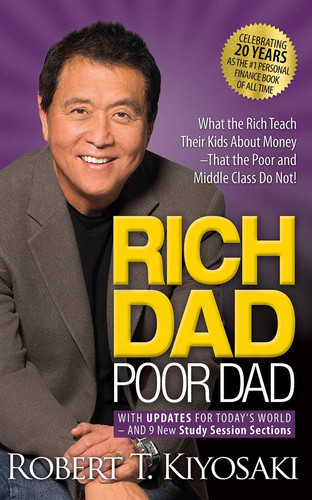
Rich Dad Poor Dad: 20th Anniversary Edition: What the Rich Teach Their Kids About Money That the Poor and Middle Class Do Not!
2019 • Brilliance Audio
English
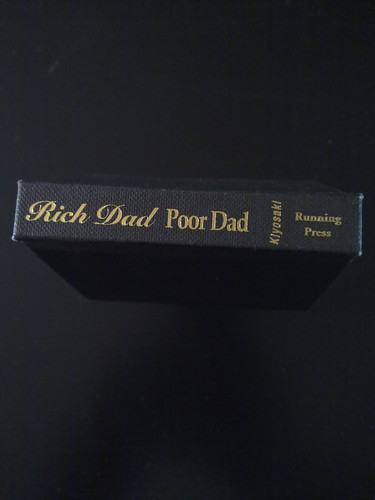
Rich Dad, Poor Dad: What the Rich Teach Their Kids About Money--That the Poor and the Middle Class Do Not! (Miniature Edition)
2009 • Running Press
English

Rich Dad Poor Dad: What The Rich Teach Their Kids About Money--That The Poor And Middle Class Do Not!
2001 • Recorded Books, Inc. and Blackstone Publishing
English
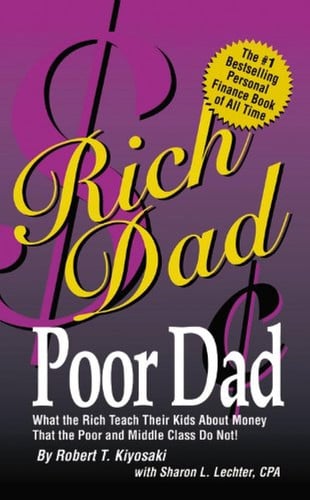
Rich Dad Poor Dad What the Rich Teach Their Kids about Money-- that the Poor and Middle Class Do Not!
2010 • Business Plus
English
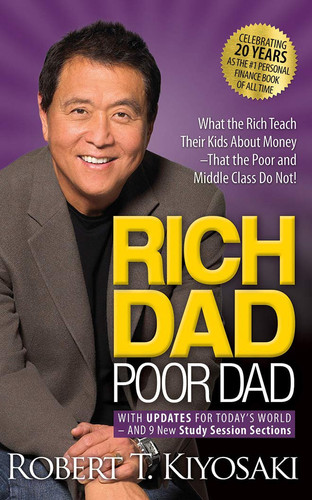
Rich Dad Poor Dad: 20th Anniversary Edition: What the Rich Teach Their Kids About Money That the Poor and Middle Class Do Not!
2019 • Brilliance Audio
English
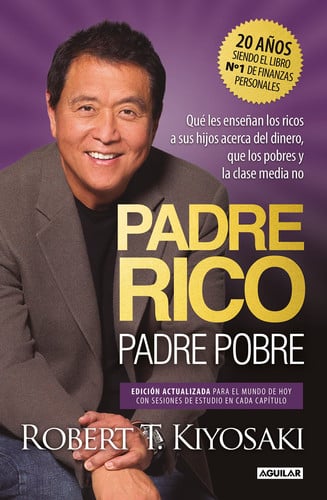
Padre Rico, padre Pobre. Edición especial ampliada y actualizada en tapa dura
2021 • Aguilar,editorial
Spanish

Pai Rico, Pai Pobre - Atualizado (Em Portuguese do Brasil)
2017 • Alta Books
Portuguese
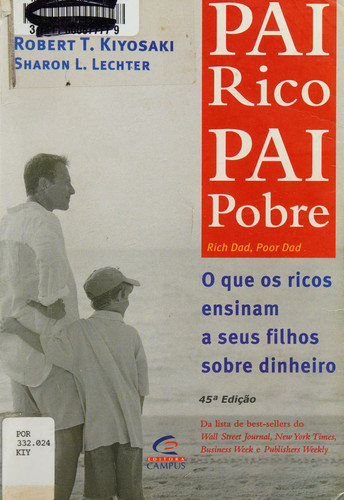
Pai Rico, Pai Pobre
2000 • Editora Campus
Portuguese
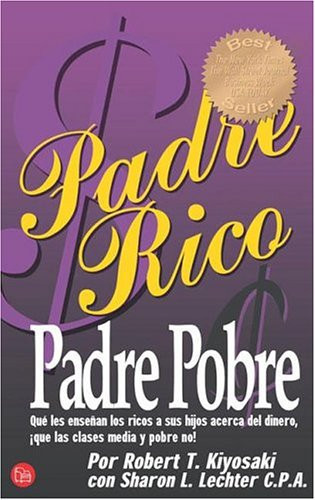
Padre rico, padre pobre qué les enseñan los ricos a sus hijos acerca del dinero, que las clases media y pobre no!
2004 • Suma de Letras Argentina
Spanish
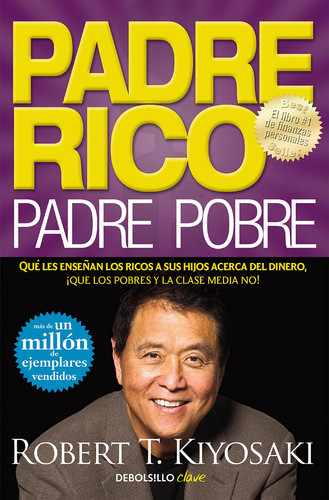
Padre rico, padre pobre
2016 • Debolsillo
Spanish
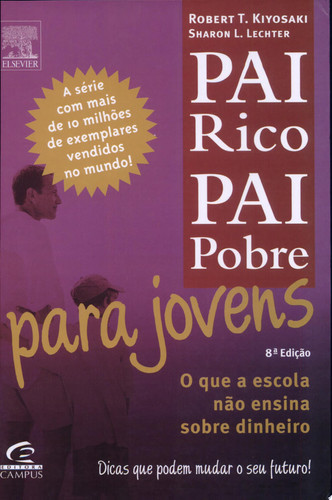
Pai rico, pai pobre para jovens o que a escola não ensina sobre dinheiro
2004 • Gulf Professional Publishing
Portuguese
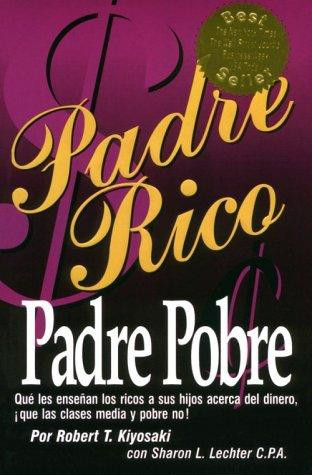
Padre rico, padre pobre qué les enseñan los ricos a sus hijos acerca del dinero ¡que las clases media y pobre no!
2001 • Time and money network
Spanish
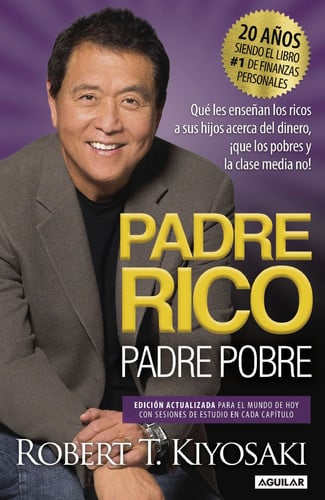
Padre Rico, Padre Pobre Qué les enseñan los ricos a sus hijos acerca del dinero
2017 • Aguilar
Spanish
PADRE RICO , PADRE POBRE ( 20 AOS )
2014 • SUDAMERICANA
Spanish
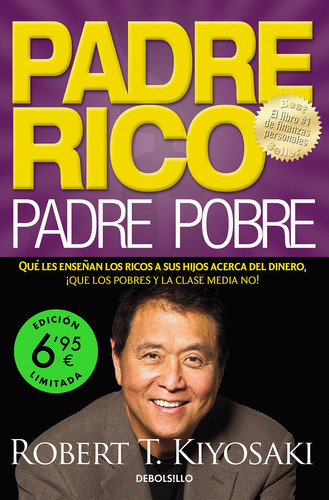
Padre rico, padre pobre
2021 • Debolsillo
Spanish
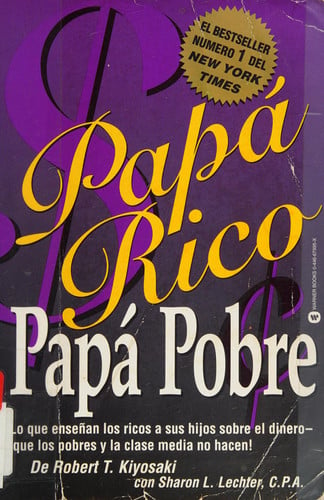
Papa Rico Papa Pobre Lo Que Ensenan los Ricos a Sus Hijos Sobre el Dinero - Que los Pobres y la Clase Media No Hacen!
2003 • Grand Central Publishing
Spanish
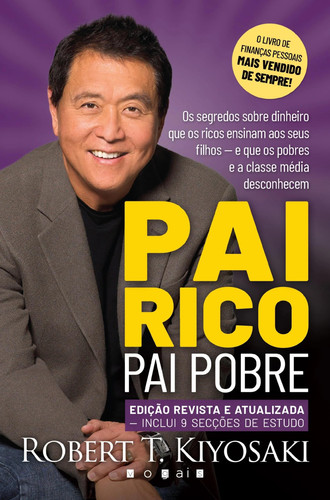
Pai Rico, Pai Pobre
2023 • Vogais
Portuguese
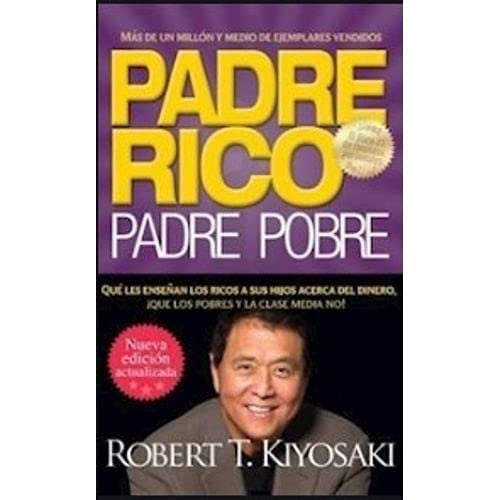
PADRE RICO PADRE POBRE (20 AÑOS)
2014 • AGUILAR-ALTEA-TAURUS-ALFAGUARA
Spanish
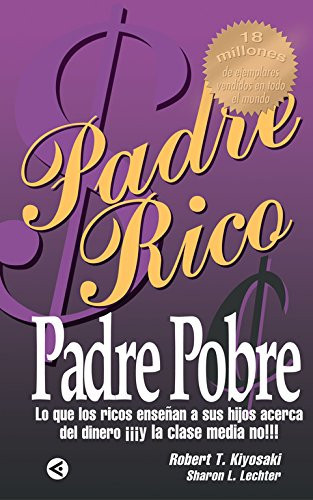
Padre Rico, Padre Pobre
2004 • Aguilar
Spanish
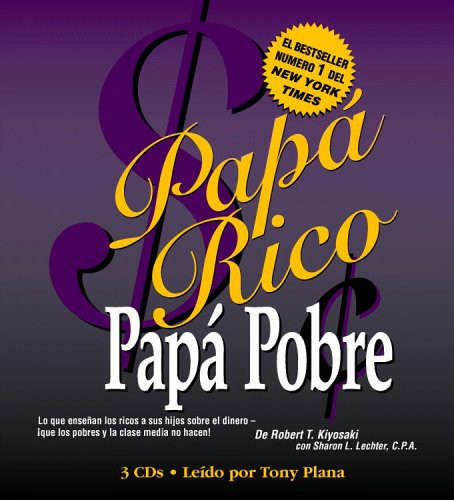
Papá Rico Papá Pobre: Lo que enseñan los ricos a sus hijos sobre el dinero -- ¡que los pobres y la clase media no hacen! (Rich Dad) (Spanish Edition)
2005 • Hachette Audio
English

Père riche, père pauvre. Devenir riche ne s'apprend pas à l'école !
2000 • Ed. Un monde différent Itée
French
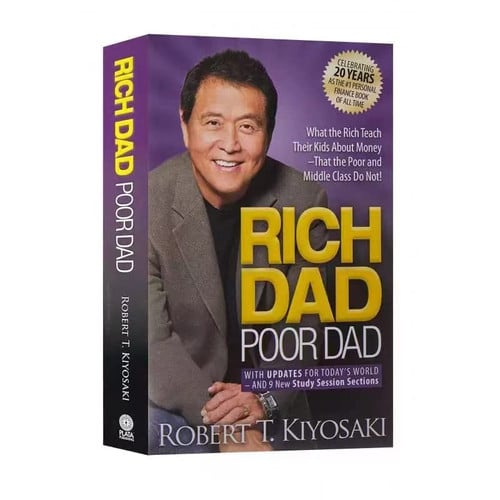
富爸爸穷爸爸
2008 • 南海出版公司
Chinese
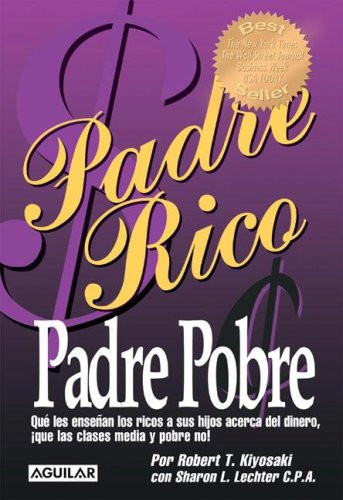
Padre rico, padre pobre qué les enseñan los ricos a sus hijos acerca del dinero, que las clases media y pobre no!
2005 • Aguilar
Spanish
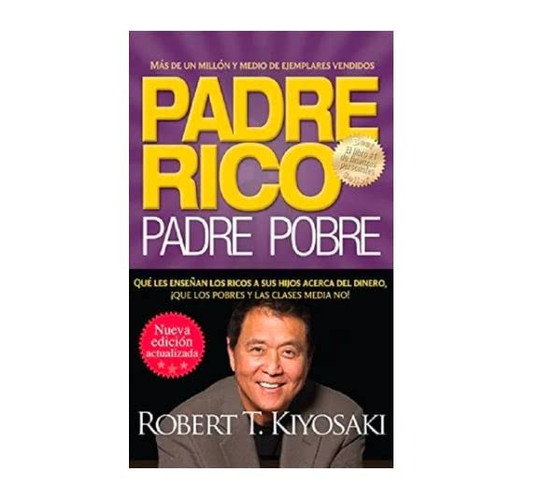
Padre rico, padre pobre qué les enseñan los ricos a sus hijos acerca del dinero, Łque las clases media y pobre no¿
2004 • Aguilar
Spanish
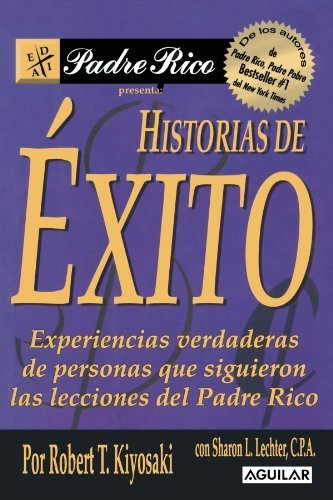
Padre rico, padre pobre para jóvenes ¡los secretos para ganar dinero que no te enseñan en la escuela¡
2010 • Punto de lectura
Spanish

Padre rico padre pobre
2010 • Aguilar
Spanish
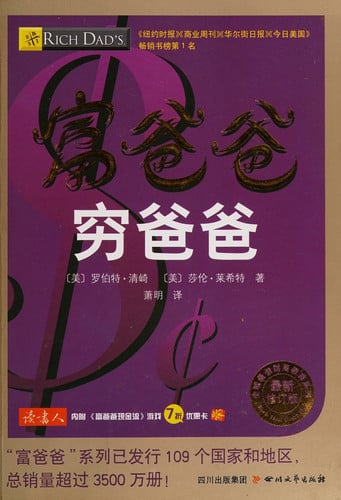
富爸爸, 穷爸爸
2008 • 四川文艺出版社
Chinese

Rich Dad, Poor Dad B Special
2002 • Little, Brown Book Group Limited
English
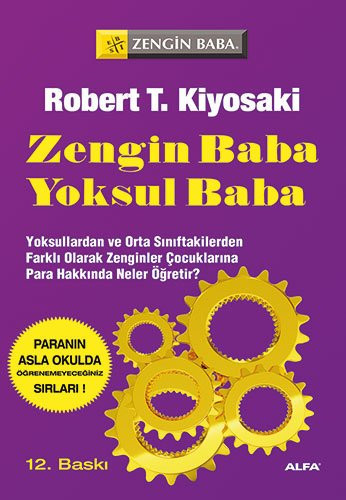
Zengin baba yoksul baba
2009 • Alfa Basım Yayım Dağıtım
Turkish
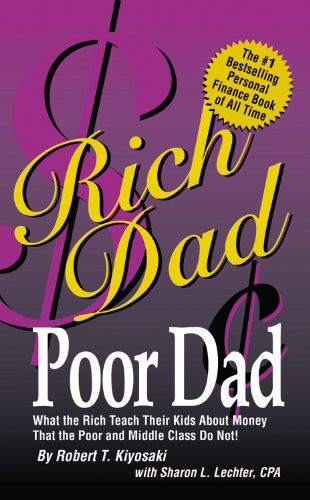
Rich Dad, Poor Dad: What the Rich Teach Their Kids About Money That the Poor and Middle Class Do Not
2001 • Warner Books Inc
English

Rich Dad Poor Dad What the Rich Teach Their Kids about Money? that the Poor and the Middle Class Do Not!
2007 • Grand Central Publishing
English
Growing up with the influence of two strong men with opposing philosophies forced me to think. While my poor dad struggled with bills his entire life, my rich dad was building an empire. I saw that it wasn't a high salary that made you wealthy, but a different way of thinking. At the age of nine, after being excluded by wealthy children because I was a “poor kid,” I asked my dad how to get rich. He told me, “Use your head, son.” It was my rich dad who offered to teach me, but not in a classroom. His first lesson was a job in one of his convenience stores, paying me a miserable ten cents an hour.
For weeks, Mike and I dusted canned goods for a pittance, my frustration growing until I was ready to quit. That's when my rich dad sat me down. “You're feeling what most employees feel,” he explained. “Trapped.” He showed me how life pushes people around with two primary emotions: fear and desire. Fear of not paying bills keeps you in a job, and the desire for nicer things makes you spend every penny you earn. This cycle of getting up, going to work, paying bills, and repeating the process is what he called the “Rat Race.” To break free, he said, I had to learn to stop working for money and start making money work for me. His next offer was to work for him for free. It was then that my mind opened, and I began to see opportunities instead of just a paycheck. We started a small comic book library in Mike's basement, charging admission and earning money even when we weren't there. Our money was finally working for us.
The most fundamental lesson my rich dad taught me was the difference between an asset and a liability. “The rich acquire assets,” he would say, “and the poor and middle class acquire liabilities that they think are assets.” It's a simple rule, but its depth is profound. An asset is something that puts money in your pocket, like a rental property, stocks, or a business that doesn't require your presence. A liability is something that takes money out of your pocket, like a mortgage, car payments, or credit card debt. Most people spend their lives buying liabilities. Their home, which they believe is their greatest asset, is often their biggest liability, constantly draining their cash flow through taxes, maintenance, and interest payments.
The story of wealth is told not by your income statement alone, but by the flow of cash between it and your balance sheet. The rich focus their energy on building a strong column of income-generating assets. The cash flow from these assets then pays for their expenses and luxuries. The middle class, on the other hand, relies on a salary. As their salary increases, so do their taxes and their spending, trapping them deeper in the Rat Race. They confuse their profession with their business. Your profession is how you earn your salary, but your business is what you do with that money to build your asset column. Like Ray Kroc, who knew his business wasn't hamburgers but real estate, I learned to mind my own business by acquiring assets, even while I worked my day job.
The rich also understand a secret the poor and middle class do not: the power of legal structures. When income taxes were first introduced, they were meant for the wealthy. But the government's appetite for money grew, and the tax burden shifted to the middle class. The rich, however, play a different game. They use corporations - legal entities that are little more than a file folder of documents - to protect their wealth. A corporation earns money, spends everything it can on pre-tax expenses (like cars, travel, and health club memberships), and is then taxed on what is left. An individual, by contrast, earns money, gets taxed heavily, and then tries to live on what remains. It is a fundamental difference in cash flow that allows the wealthy to accelerate their wealth-building far beyond what an employee can achieve.
True wealth is not just about numbers; it is about financial intelligence. Your mind is your single greatest asset. While others cling to old ideas, the financially intelligent see opportunities everywhere. They invent money. I learned to find deals others overlooked - a foreclosed home that could be bought with a small down payment and quickly sold, creating a promissory note that became a new source of cash flow in my asset column. It wasn't gambling; it was using knowledge of accounting, investing, markets, and the law to solve financial problems. The world is constantly presenting you with opportunities, but you can only see them if your mind is trained to look.
Ultimately, the journey to financial freedom is blocked by internal obstacles more than external ones: fear, cynicism, laziness, bad habits, and arrogance. The fear of losing money is paralyzing for most people. But winners are not afraid of losing; they understand that failure is part of the process of success. They don't play to not lose; they play to win. They overcome laziness with a little healthy greed - a desire for a better life. They cultivate the habit of paying themselves first, putting money into their asset column before they pay a single bill. This self-discipline creates the pressure to find new ways to generate income, strengthening their financial mind.
To escape the Rat Race, you must work to learn, not just to earn. Acquire skills in sales, marketing, and leadership. Understand how to manage cash flow, systems, and people. Don't specialize so much that you become trapped in a single profession. Be a generalist who can bring together smart people to build something great. Find heroes to emulate, people who make success look easy and inspire you to believe that you can do it too. And finally, teach. The more you give, the more you will receive. The principles of money are not complex, but they require a shift in perspective - from that of an employee to that of an investor, from working hard for your money to having your money work hard for you.
No discussions yet for this book.
Delete Discussion
Are you sure you want to delete this discussion? This action cannot be undone.
Rating Sources
Readers frequently describe the book as highly inspiring and a powerful motivator, encouraging them to rethink their financial approach. Many found it effective in sparking excitement about their financial future and prompting them to explore new avenues for wealth creation. The book is praised for introducing fundamental concepts of financial literacy, such as distinguishing between assets and liabilities and making money work for you, in an accessible and understandable manner. Its clear explanations are noted for challenging conventional thinking about education and employment, empowering individuals to pursue financial self-reliance and consider entrepreneurship.
Conversely, a significant number of reviews criticize the book for its repetitive nature and lack of specific, actionable advice, often describing it as vague and poorly written. Critics point out that the central message is stretched over many pages with insufficient practical guidance for investing or wealth building. Concerns are raised about the accuracy of some financial advice, particularly regarding diversification and the definition of assets and liabilities, which some reviewers deem misleading or fundamentally incorrect. The author's tone is frequently characterized as pompous, condescending, and anti-intellectual, particularly towards educated professionals and the working class. Furthermore, several reviewers question the veracity of the author's personal anecdotes and the book's core premise, suggesting they may be exaggerated or fabricated, and note that the book often ignores systemic issues of poverty and privilege, presenting an overly simplistic view of wealth acquisition.
Overall, the book elicits strongly divided opinions, serving as either a transformative read or a source of considerable frustration. While it may not offer a detailed "how-to" guide for investing, it is widely acknowledged for its ability to shift perspectives and ignite a desire for financial change. This book is best suited for individuals who are new to personal finance concepts, seeking motivation to challenge traditional career paths, or open to a different way of thinking about money and wealth. It can serve as an effective starting point for those who feel financially illiterate and want to begin their journey towards understanding wealth creation, rather than as a comprehensive manual for seasoned investors.
No reviews yet. Be the first to review this book!
Delete Review
Are you sure you want to delete this review? This action cannot be undone.


