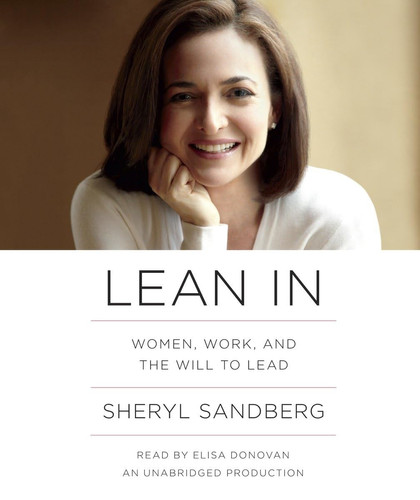
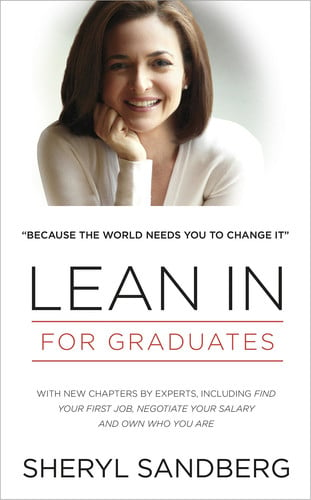
The world of work, for far too long, has been shaped by structures and expectations that often leave women feeling like outsiders, or worse, like they must choose between ambition and family. You are invited to look deeply at these ingrained patterns, both within society and within yourself, and to understand the subtle and overt ways in which women are held back from reaching their full potential, particularly in leadership roles. It's time to acknowledge the "leadership ambition gap," the quiet retreat many women make from professional ascent, often long before it's truly necessary.
You might find yourself, even subconsciously, "leaning back" rather than "leaning in." This often stems from a fear of not being liked, of being perceived as "bossy" when a man acting similarly would be applauded as a leader. Consider the stark reality: studies have shown that while success correlates positively with likeability for men, it often correlates negatively for women. This "gender discount problem" can lead you to undervalue your own contributions, hesitate to negotiate for what you deserve, and attribute your achievements to luck rather than your own formidable capabilities, a phenomenon often called imposter syndrome.
To truly break through, you must confront these internal barriers. It means daring to sit at the table, literally and figuratively, claiming your rightful place in discussions and decisions, even when you feel a pang of self-doubt. It means raising your hand, taking risks, and speaking up, understanding that opportunities are rarely handed out, but rather seized. Don't wait for a "tiara" to be placed upon your head in recognition of your hard work; advocate for yourself and your worth.
Crucially, the path to greater professional fulfillment for women is inextricably linked to achieving true equality at home. You are encouraged to make your partner a real partner, fostering a relationship where domestic responsibilities and childcare are shared equitably. This isn't about "helping out"; it's about shared responsibility, recognizing that when men take on an active role at home, it liberates women to fully invest in their careers without sacrificing their personal lives. This shared burden not only strengthens families but also allows both individuals to thrive.
Furthermore, you are urged not to "leave before you leave." Do not preemptively disengage from career opportunities in anticipation of future family responsibilities. Remain committed and ambitious until the moment you actually need to make decisions about work-life balance. The months and years leading up to having children are often critical for career advancement; leaning back during this time can create a gap that is difficult to close later.
The journey also demands a shift in perspective, embracing the idea that "done is better than perfect." Striving for an unattainable ideal in every aspect of your life - a flawless career, a pristine home, perfectly raised children - is a recipe for burnout. Instead, aim for "good enough," allowing yourself to prioritize and make choices that serve your larger goals. It's about creating space for open, honest communication in all your relationships, both professional and personal, and building a supportive network of mentors and peers.
Ultimately, this is a call to action, not just for individual women, but for society as a whole. By embracing ambition, by speaking up, by demanding equal partnerships, and by supporting one another, women can ascend to more leadership positions. This increased representation is not merely about individual success; it is the most effective way to drive systemic change, ensuring that all women, regardless of their path, have the freedom to make real choices and shape a more equitable world for everyone.