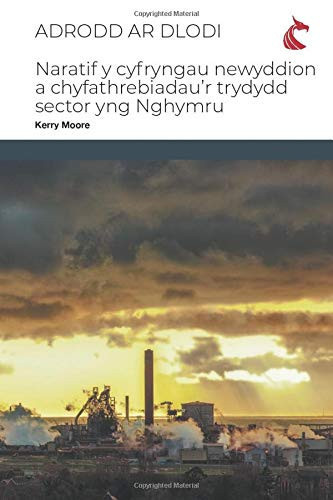
A penetrating examination unfolds, laying bare the intricate tapestry of how poverty is portrayed in the Welsh news media and the crucial, yet often overlooked, role of third-sector communications. This exploration delves into the very fabric of contemporary news coverage, meticulously scrutinizing journalistic practices and content across both English and Welsh language outlets. It reveals not merely what is reported, but the underlying mechanisms and relationships that shape these narratives.
The journey into these media portrayals begins with a robust analysis of existing news content, uncovering a dominant focus on the struggles of work. Tales of job losses, the pervasive shadow of low wages, the immobility of precarious employment, zero-hours contracts, and the indignity of in-work poverty frequently overshadow other facets of destitution. These are not just statistics; they are stories imbued with raw emotion, figures of speech, and evocative metaphors that resonate as a collective concern, often steering public investment.
Beyond the content itself, a critical investigation illuminates the complex interplay between journalism and the third sector. Through in-depth interviews with both media professionals and representatives from charitable organizations, distinct perspectives on the causes and remedies for poverty emerge. Those within the third sector consistently champion an understanding of poverty rooted in structural inequalities, advocating for systemic policy solutions. In contrast, journalists often present a more varied view, at times leaning towards individual responsibility as a contributing factor.
A fascinating dynamic of mutual reliance is brought to light, as journalists frequently seek out the third sector for compelling case studies and vital information. Media professionals, it is revealed, often gravitate towards stories featuring families and single mothers, believing these narratives resonate most strongly with their audiences. However, this preference raises concerns among third-sector communicators about their role as gatekeepers, questioning whether this focus inadvertently narrows the public's understanding of poverty's diverse realities.
Both spheres, the newsroom and the charity office, grapple with shared obstacles: the ever-present constraints of limited resources, the delicate ethical tightropes of reporting on vulnerable individuals, and the inherent difficulty of conveying the multifaceted nature of poverty. These institutional arrangements, the work suggests, can inadvertently perpetuate individualistic interpretations, often obscuring the deeper, structural drivers that truly underpin widespread hardship.
The work does not merely diagnose; it proposes a path forward. It argues for the urgent need for strategic shifts in communication practices, advocating for the adoption of evidence-based reporting guidelines. Crucially, it emphasizes the importance of improving access to independent data sources and expert knowledge, enabling a more nuanced and accurate portrayal of poverty's systemic roots and the policy interventions required to address them.
Ultimately, this endeavor is an urgent call to dissect and understand the prevailing news media narratives on poverty in Wales. It seeks to unravel the how and why of these representations, striving to ensure that future coverage is as precise, meaningful, and genuinely reflective of the lived experiences of poverty across the nation as possible. The aim is to foster a more informed public discourse, one that acknowledges the profound impact of media on public opinion, policymakers, and the very way poverty is encountered and experienced by individuals.