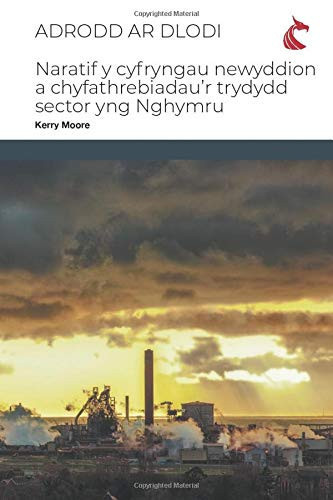
The quiet struggles of a nation's most vulnerable often remain unseen, obscured by the very narratives meant to bring them to light. This inquiry delves into the intricate landscape of poverty reporting across Wales, meticulously dissecting how news media, in both English and Welsh, frames the lives touched by destitution and how the third sector strives to make those silent stories heard. It is a systematic exploration, revealing the threads that weave public perception and policy around an issue that affects nearly a quarter of all people, and a staggering forty percent of children, within the country's borders.
The journey begins by charting the contemporary news coverage, examining the content and practices of journalism itself. One discovers a media grappling with diminishing resources and a shrinking pool of specialist expertise dedicated to social affairs. This contraction inevitably shapes the portrayal of poverty, often leading to a focus on specific sites or individual cases that, while poignant, risk overlooking the deeper, structural circumstances that perpetuate inequality. The persistent themes of job losses, low wages, precarious employment, and zero-hours contracts emerge as dominant, painting a stark picture of in-work poverty that underpins many narratives.
As the lens shifts, a critical investigation into the symbiotic, yet often fraught, relationship between journalism and the third sector unfolds. Charities and non-profit organizations, with their direct access to the everyday realities of poverty, play a vital, often unsung, role in communicating these experiences. Their efforts to highlight the "hidden" aspects of destitution - the quiet desperation, the invisible struggles - are crucial. Yet, this engagement is not without its complexities, revealing professional tensions that arise when the third sector seeks to influence coverage, balanced against the news media's demands and ethical considerations for representing vulnerable individuals fairly.
The backdrop to this exploration is a decade marked by austerity policies, a period where official measures confirm a relentless increase in experiences of poverty and destitution. The research, conducted between 2016 and 2017, captures a turbulent era for Wales, encompassing the Tata Steel crisis in Port Talbot, Welsh Government elections, and the referendum on the UK's membership in the European Union. Within these nationally significant events, the framing of poverty becomes a crucial aspect of understanding how political, business, and economic news intertwines with more local, personal stories of livelihoods and social issues.
Through a rigorous quantitative analysis of media coverage across broadcast, print, and online platforms, a detailed evidence base emerges. This analysis unpacks the major contextualizing themes, identifies the social groups and geographical locations most frequently featured, and scrutinizes how the causes and consequences of poverty are attributed. Furthermore, insights gleaned from interviews with both journalists and third-sector professionals illuminate the challenges they face: the ethical dilemmas of identifying and reaching vulnerable groups, the imperative to represent case studies with dignity, and the constant navigation of pressures to deliver impactful, yet responsible, reporting.
Ultimately, this deep dive into the narratives surrounding poverty in Wales serves a profound purpose. It is an intervention, offering a critical examination of how mainstream media shapes public understanding and, by extension, societal responses to a pressing human issue. By providing a comprehensive picture of how and why poverty news narratives are constructed, it lays the groundwork for fostering more meaningful, representative, and accurate reporting - a crucial step towards truly addressing the pervasive challenges of poverty within the nation.