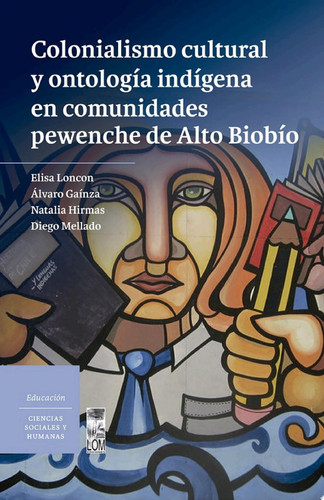
In the heart of Alto Biobío, among the ancient pewen trees, a profound struggle unfolds within the Pewenche communities, a quiet battle against a pervasive cultural colonialism that seeks to unravel the very fabric of their being. This is not a tale of overt conquest, but of insidious forces at play, particularly within the walls of the Chilean school system, where the vibrant essence of Pewenche identity is slowly, systematically eroded. The children, inheritors of the ancestral Chedungun tongue, find themselves caught in a tide that pulls them away from their linguistic heritage, a current set in motion by a dominant monocultural worldview.
The educational landscape, seemingly designed to integrate, often becomes a subtle instrument of discrimination. Programs like the Programa de Integración Educativa (PIE), rather than fostering a rich plurilingual and intercultural environment, inadvertently impose a singular, Western understanding of the world, culture, and language. It is a system that, in its failure to comprehend or accommodate what falls outside its narrow framework, transforms difference into deficiency, categorizing the unique expressions of Pewenche children as problems to be corrected. Their ways of speaking, learning, and relating to the world, born of generations of wisdom, are deemed invalid unless validated by an external, eurocentric lens.
This colonial dynamic extends beyond language, touching the very ontology of the Pewenche people. Their deep connection to the land, their ancestral territories, has been historically undermined by state policies and socio-economic pressures, leading to dispossession and a fracturing of their traditional socio-political organization. The worldview that sees the land not merely as property but as a living extension of one's own body, a source of vital spiritual and emotional connection, is continually challenged. This ongoing struggle for territorial autonomy is inextricably linked to the fight for cultural survival, as the well-being of the land and its people are understood as one.
The pervasive "abyssal lines" that divide Chilean society become strikingly clear in the experiences of the Pewenche. These are not merely social distinctions, but profound ontological separations, where indigenous ways of life, knowledge, religions, and even emotional expressions are deemed radically inferior by the dominant culture. Everything that deviates from the eurocentric norm embedded within official education is either ignored or actively suppressed, creating a constant pressure to conform, to assimilate, and to shed the very elements that define one's ancestral identity.
Yet, amidst this profound critique, there is a powerful call for reimagining. The journey into the heart of these communities reveals not only the deep wounds of colonialism but also the enduring resilience and the urgent need for alternatives. It is an invitation to envision a different kind of school, one that truly embraces interculturality, where public policies genuinely reflect and respect the diverse ontologies of the nation. This perspective, rooted in the "Epistemologies of the South," seeks to identify and validate knowledge born from the struggles against exclusion, offering a path towards cognitive and historical justice as foundational pillars of a truly just society. The Pewenche, in their unwavering commitment to their language, their land, and their unique way of being, illuminate the path towards a future where dignity, respect, and genuine intercultural coexistence are not just ideals, but lived realities.