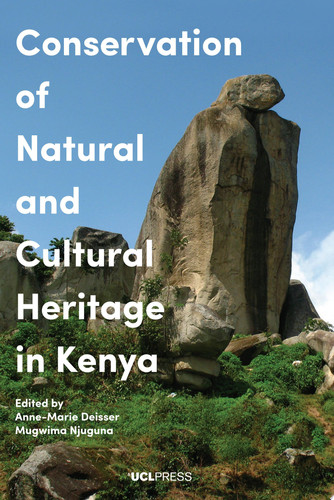
Kenya, a land rich with a heritage of profound significance, holds within its embrace stories of human origin and the very evolution of Earth itself. Fossils and artifacts, some dating back over 27 million years, have been meticulously unearthed and preserved by the National Museums of Kenya, painting a vivid picture of a deep past. Yet, this invaluable legacy, both natural and cultural, faces constant threats. The surging global demand for African tribal art, now surpassing even ancient Roman or Egyptian antiquities, fuels a dark trade, attracting looters and criminal networks, especially in regions touched by conflict. This intricate tapestry of heritage, vital for socio-economic development and even conflict resolution, demands careful stewardship.
The journey of preserving this heritage, particularly between 2000 and 2015, unfolds through a multidisciplinary lens, drawing insights from conservationists, archaeologists, urban planners, and many others. It begins by delving into the fundamental ethics, practical approaches, and legal frameworks that underpin all conservation efforts. The discussion explores the complexities of navigating existing laws, highlighting the contradictions that often hinder effective implementation. It also considers the profound concept of access to heritage conservation as a human right, advocating for dialogue and cross-disciplinary partnerships to address the multifaceted challenges that arise from both global and local conflicts surrounding these practices.
A significant focus then shifts to the architectural and urban heritage of Nairobi, the vibrant capital. Here, the very fabric of the city's built environment tells a story, with particular attention paid to the morphology of its architecture and the critical need for its preservation. Public monuments within Nairobi are explored not just as structures, but as powerful tools for forging and reinforcing a collective identity among its diverse populace. The intricate details of urban development are examined, understanding how modern expansion must reconcile with the imperative to safeguard historical structures and spaces that define the city's soul.
Beyond the urban sprawl, the narrative expands to embrace Kenya's magnificent natural heritage, its sweeping landscapes, and its revered sacred sites. The intricate relationship between these natural wonders and the local Kenyan communities who have lived alongside them for generations is explored in depth. Wildlife, a cornerstone of Kenya's natural identity, takes center stage, with an examination of its ownership and utilization - a history stretching from past traditions to present-day challenges and future aspirations. The role of tourism in these natural settings is also critically assessed, balancing its economic benefits with the necessity of sustainable practices that respect both the environment and the indigenous cultures tied to it.
The journey further ventures into the realm of intangible cultural heritage, recognizing that not all treasures are tangible. The age-old board game of Bao, with its deep roots in African antiquity, exemplifies this living heritage. Traditional technologies, often overlooked in modern conservation discourse, are brought to the forefront as a unique conservation challenge, demanding innovative approaches to their understanding and preservation. The value of rural landscapes is also asserted, examining their aesthetic dimensions and how these can be understood and utilized as crucial socio-cultural resources for communities.
However, the path of heritage conservation is fraught with peril. Globalization and the relentless pursuit of economic growth bring increased building construction and infrastructural expansion, often at the expense of existing heritage assets. Even terrorism casts a long shadow, posing a direct threat to invaluable sites. It becomes clear that the diverse forms of cultural and natural heritage, and the complexity of the challenges they face, are not static. They demand a continuous regeneration of competence, technology, and value systems, prompting conservators to constantly expand existing principles and practices in their management.
Ultimately, the understanding emerges that heritage conservation in Kenya is not merely a technical or scientific endeavor confined to experts. It is deeply ingrained in the lives of local populations and intricately linked to communities and their natural environment. The collective wisdom of historians, curators, landscape architects, environmentalists, and other heritage professionals converges to form a holistic understanding of these challenges, underscoring that collaboration is the key to unlocking solutions and ensuring that Kenya's extraordinary heritage endures for future generations.