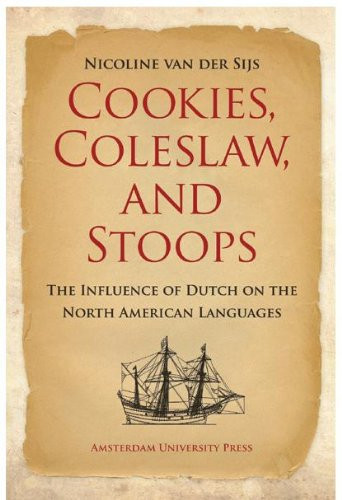
Positives The book is widely lauded for providing a comprehensive and detailed overview of the influence of Dutch and, to a lesser extent, Frisian on North American languages, particularly American English. Readers found the introductory section especially captivating, as it delves into the history of colonization, immigration, the development of Dutch communities, and their gradual assimilation. This part is frequently highlighted as both fascinating and relevant, offering a rich tapestry of cultural and historical context. The book is praised for its wealth of interesting facts and for shedding light on the significant impact of early Dutch migration on American language and culture. While extensive, the etymological dictionary section is noted for its particularly engaging and detailed entries on key words, which reveal compelling stories of cultural exchange and development. Many reviewers enjoyed discovering the Dutch origins of various common and regional terms.
Negatives Despite its strengths, the book does receive some criticism. The etymological dictionary portion, while thorough, can be perceived as dry or "hum-drum" when read continuously, feeling more like a reference work than a narrative. Some readers found that many of the word examples provided were very local or regional, suggesting they had not made it into widespread American English, which could make them less engaging for a general audience. Furthermore, some reviewers noted issues with the overall writing quality and pointed out a few historical inaccuracies within the text. One reviewer also expressed curiosity about the author's specific academic credentials, noting a lack of clarity on the book's cover.
Conclusion In conclusion, this book offers a valuable and detailed exploration of a specific yet significant linguistic and cultural intersection. It provides insightful perspectives on the historical evolution of American English through its Dutch contributions. While it has its narrative challenges in the dictionary section and some minor historical discrepancies, its strengths in historical context and etymological detail make it a worthwhile read. This book is highly recommended for language enthusiasts, etymologists, historians interested in early American settlement and cultural exchange, and anyone curious about the origins of particular American English words and customs. Readers who appreciate in-depth linguistic analysis and historical context, and are prepared for a reference-style presentation in parts, will likely find this a rewarding and informative experience.