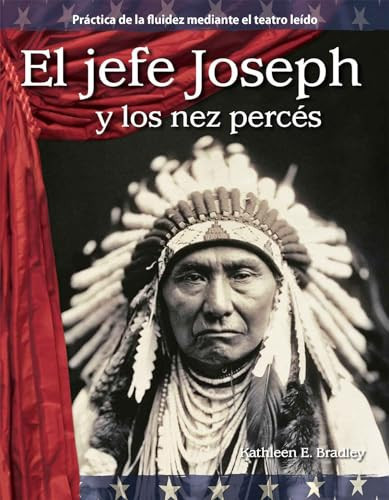
The vast lands of America stretched westward, a frontier swelling with the tide of expansion, while ancient peoples held fast to their ancestral homes. Among them, the Nez Perce, led by the sagacious Chief Joseph, cherished their green and beautiful Wallowa Valley, a place woven into the very fabric of their being. They lived in harmony with the winding waters and abundant earth, believing, as one warrior articulated, "I belong to the land out of which I came. The earth is my mother". Yet, the encroaching world brought with it treaties, promises, and the inexorable pressure of a burgeoning nation.
A solemn treaty was signed, a document intended to carve out a future, which ultimately placed the Nez Perce onto a reservation, far from the cherished valley where their ancestors lay buried. The heart of the people ached, for their connection to the land was not merely ownership, but an unbreakable spiritual bond. Chief Joseph, having vowed to his dying father to protect their homeland, found himself grappling with an impossible choice: to surrender their heritage or resist the tide of change.
The spirit of the Nez Perce, however, was not easily broken. A deep-seated resistance stirred within the tribe, a refusal to abandon the sacred grounds and the ways of their forefathers. They longed for the freedom to roam the valleys and hunt the game that had sustained them for generations, a freedom that felt increasingly threatened by the confines of the reservation. The air grew thick with tension, a palpable unease that hung heavy over their camps.
Soon, the whispers of defiance turned into action. The Nez Perce, unwilling to relinquish their birthright, began a desperate flight for freedom. Behind them, the relentless U.S. cavalry thundered, a pursuing force determined to enforce the government's decrees. Days bled into weeks, and weeks into months, as the Nez Perce embarked on an arduous journey, a testament to their unwavering will and the leadership of Chief Joseph. Every step was a prayer, every mile a gamble against overwhelming odds.
The chase was long and brutal, a desperate struggle for survival across rugged terrain and unforgiving landscapes. Women, children, and the elderly endured unimaginable hardships, their resilience a beacon in the face of despair. They fought skirmishes, outmaneuvered their pursuers, and navigated treacherous paths, all while hoping to find sanctuary, perhaps in the vast expanse of Canada. Their resolve was a burning ember, flickering but never extinguished.
Yet, destiny, or perhaps the sheer exhaustion of their epic journey, intervened. The chase culminated in a harrowing battle at Bear Paw Mountain. The Nez Perce, weary and depleted, found themselves cornered, the biting winds of winter closing in around them. The clash was fierce, a final, desperate stand against the cavalry that had dogged their every step. The sounds of gunfire echoed across the desolate landscape, a mournful symphony of a people fighting for their very existence.
In the aftermath of the brutal encounter, with his people suffering and scattered, Chief Joseph uttered words that would forever etch his name into history. "From where the sun now stands, I will fight no more forever," he declared, a poignant surrender born not of defeat, but of a profound love for his people and a recognition of their immense suffering. His voice, heavy with sorrow, carried the weight of a broken promise, a lost homeland, and the enduring spirit of a people who simply wished to live in peace.
The journey of Chief Joseph and the Nez Perce became a powerful testament to courage, resilience, and the tragic consequences of westward expansion. It painted a vivid, heartbreaking portrait of a people striving to protect their culture, their land, and their way of life against insurmountable forces, leaving behind a legacy of enduring spirit and a cry for justice that echoes through the annals of time.