
El Lórax (The Lorax Spanish Edition)
by Dr. Seuss
8.7 / 10 377K ratings
- Language
- Spanish
- Published
- 2019
- Publisher
- Random House Children's Books
- Pages
- 72
- ISBN
- 9780525707318
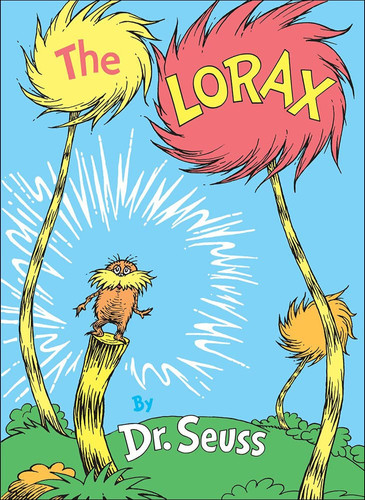
In a bleak and desolate town, a curious young boy seeks out the reclusive Once-ler to ask a single question: what happened to the trees? The answer is a story that unfolds in a whisper, a tale of a once-vibrant world filled with colorful Truffula Trees, playful Bar-ba-loots, and singing Swomee-Swans. It is the story of the Lorax, a small, mustachioed creature who speaks for the trees, for the trees have no tongues. He emerges to confront the ambitious Once-ler, whose wonderful invention requires the felling of the Truffula Trees, sparking a conflict between industrial progress and the preservation of nature.
This classic fable chronicles the plight of the environment as one enterprise consumes a beautiful landscape, silencing the creatures who called it home. The narrative serves as a powerful and timeless cautionary tale about the dangers of unchecked greed and the consequences of ignoring the natural world. It is a story of loss, but it also carries a persistent seed of hope, demonstrating that it only takes one person to care enough to make a difference and begin the process of restoration.
This classic fable chronicles the plight of the environment as one enterprise consumes a beautiful landscape, silencing the creatures who called it home. The narrative serves as a powerful and timeless cautionary tale about the dangers of unchecked greed and the consequences of ignoring the natural world. It is a story of loss, but it also carries a persistent seed of hope, demonstrating that it only takes one person to care enough to make a difference and begin the process of restoration.
Subjects
- Literature & Fiction
- Genre Fiction
- Children's Books
- Science & Math
- CHILDREN'S FICTION
- Poetry
- Humor
- Science, Nature & How It Works
- Humor & Entertainment
- Juvenile Fiction
- Classics
- Humor & Satire
- Humorous
- Nature
- Environment
- Science & Nature
- Stories in Verse
- STORIES IN RHYME
- Limericks & Humorous Verse
- TV, Movie, Video Game Adaptations
- COLORING BOOKS
- Recycling & Green Living
Original edition
LoraxOriginally published in 1911 English McGraw-Hill/Tdm Audio
Other editions (14)



Listen to the summary Narrated summary
At the far end of town, where the Grickle-grass grows and the wind always smells of old, stale, and sour, stands the Street of the Lifted Lorax. No living thing stirs, save for the whisper of the wind through rusted pipes and the occasional grumble of a curious young boy. He seeks the Once-ler, a shadowy figure who dwells in a dilapidated dwelling, high above the sour-smelling air. For fifteen cents, a nail, and the shell of a great-great-great-grandfather snail, the Once-ler agrees to tell his tale, a story of what once was and what came to be.
The Once-ler's story begins in a time when the world was fresh, before the smog and the gloom. He describes a land of glorious, bright-colored Truffula Trees, with tufts softer than silk and smelling of sweet butterfly milk. Here, the Brown Bar-ba-loots played in the shade, eating Truffula fruits, while the Swomee-Swans sang their beautiful songs and the Humming-Fish hummed in the clear, cool waters. It was a paradise, untouched and vibrant. But then, the Once-ler arrived, captivated by the Truffula Trees. He chopped down the first one, discovering that its tuft could be knitted into a wondrous thing called a Thneed - a versatile garment, useful for nearly anything!
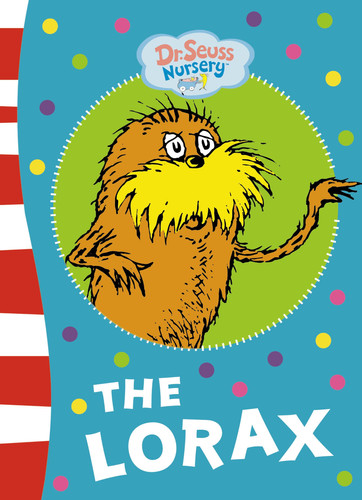
No sooner had the first Truffula Tree fallen than a small, orange creature with a grand mustache popped out of the stump. This was the Lorax, who spoke for the trees, for the trees had no tongues. He confronted the Once-ler, his voice sharp and urgent, asking, "Sir! You are a barbarian! Why would you chop down this tree?" But the Once-ler, filled with the thrill of his invention, dismissed the Lorax's protests. He sold his first Thneed, then another, and soon, the demand grew. He called his family, and they arrived in droves, setting up factories, and the chopping began in earnest.
The Super-Axe-Hacker was invented, tearing through the Truffula Forest with terrifying speed. The Lorax returned, his pleas growing more desperate. He showed the Once-ler the starving Brown Bar-ba-loots, their bellies empty because their Truffula fruit was gone. He sent them off to find food elsewhere, with a heavy heart. Then came the Swomee-Swans, their throats raw from the polluted air, unable to sing, forced to fly away. The Once-ler's factories belched smoke and goo, fouling the air and the waters where the Humming-Fish once hummed. The fish, too, had to leave, flopping and gasping as they sought cleaner streams.
The Once-ler, however, remained blinded by his ambition and the ever-growing piles of money. "I meant no harm! I most truly did not!" he insisted, even as the landscape around him turned gray and desolate. He built his empire bigger and bigger, convinced that progress meant endless growth, heedless of the environmental toll. He dismissed the Lorax's warnings as mere "silly talk," focusing only on the production of more and more Thneeds. The air thickened, the water turned murky, and the once-vibrant forest was reduced to stumps.
Then came the inevitable silence. The very last Truffula Tree was chopped down. With no more trees, there were no more Thneeds to be made, and the factories ground to a halt. The Once-ler's family packed up and left, leaving him alone amidst the wreckage of his own making. The Lorax, with a sorrowful glance and a heavy heart, picked himself up by the seat of his pants and silently flew away, leaving behind only a small pile of rocks with a single, cryptic word etched upon it: "UNLESS."
For years, the Once-ler pondered that word, alone in his crumbling dwelling, surrounded by the ghosts of his greed. He finally understood its profound meaning when the young boy arrived, eager to hear his story. "UNLESS someone like you cares a whole awful lot," the Once-ler explained, "nothing is going to get better. It's not."
With a newfound glimmer of hope, the Once-ler dropped the very last Truffula Tree seed into the boy's hands. He charged the boy with the immense task of planting it, nurturing it, and growing a new Truffula Forest, so that perhaps, one day, the Lorax and all the creatures might return. The fate of the world, he realized, rests with those who care enough to act.
The Once-ler's story begins in a time when the world was fresh, before the smog and the gloom. He describes a land of glorious, bright-colored Truffula Trees, with tufts softer than silk and smelling of sweet butterfly milk. Here, the Brown Bar-ba-loots played in the shade, eating Truffula fruits, while the Swomee-Swans sang their beautiful songs and the Humming-Fish hummed in the clear, cool waters. It was a paradise, untouched and vibrant. But then, the Once-ler arrived, captivated by the Truffula Trees. He chopped down the first one, discovering that its tuft could be knitted into a wondrous thing called a Thneed - a versatile garment, useful for nearly anything!
No sooner had the first Truffula Tree fallen than a small, orange creature with a grand mustache popped out of the stump. This was the Lorax, who spoke for the trees, for the trees had no tongues. He confronted the Once-ler, his voice sharp and urgent, asking, "Sir! You are a barbarian! Why would you chop down this tree?" But the Once-ler, filled with the thrill of his invention, dismissed the Lorax's protests. He sold his first Thneed, then another, and soon, the demand grew. He called his family, and they arrived in droves, setting up factories, and the chopping began in earnest.
The Super-Axe-Hacker was invented, tearing through the Truffula Forest with terrifying speed. The Lorax returned, his pleas growing more desperate. He showed the Once-ler the starving Brown Bar-ba-loots, their bellies empty because their Truffula fruit was gone. He sent them off to find food elsewhere, with a heavy heart. Then came the Swomee-Swans, their throats raw from the polluted air, unable to sing, forced to fly away. The Once-ler's factories belched smoke and goo, fouling the air and the waters where the Humming-Fish once hummed. The fish, too, had to leave, flopping and gasping as they sought cleaner streams.
The Once-ler, however, remained blinded by his ambition and the ever-growing piles of money. "I meant no harm! I most truly did not!" he insisted, even as the landscape around him turned gray and desolate. He built his empire bigger and bigger, convinced that progress meant endless growth, heedless of the environmental toll. He dismissed the Lorax's warnings as mere "silly talk," focusing only on the production of more and more Thneeds. The air thickened, the water turned murky, and the once-vibrant forest was reduced to stumps.
Then came the inevitable silence. The very last Truffula Tree was chopped down. With no more trees, there were no more Thneeds to be made, and the factories ground to a halt. The Once-ler's family packed up and left, leaving him alone amidst the wreckage of his own making. The Lorax, with a sorrowful glance and a heavy heart, picked himself up by the seat of his pants and silently flew away, leaving behind only a small pile of rocks with a single, cryptic word etched upon it: "UNLESS."
For years, the Once-ler pondered that word, alone in his crumbling dwelling, surrounded by the ghosts of his greed. He finally understood its profound meaning when the young boy arrived, eager to hear his story. "UNLESS someone like you cares a whole awful lot," the Once-ler explained, "nothing is going to get better. It's not."
With a newfound glimmer of hope, the Once-ler dropped the very last Truffula Tree seed into the boy's hands. He charged the boy with the immense task of planting it, nurturing it, and growing a new Truffula Forest, so that perhaps, one day, the Lorax and all the creatures might return. The fate of the world, he realized, rests with those who care enough to act.
What other readers say
Liked
Reviewers overwhelmingly praise this book for its profound and prescient environmental message, noting its relevance decades after its initial publication. Many highlight its exceptional ability to explore complex themes like capitalism, greed, and industrialization in a way accessible to children, while still offering subtle lessons for adults. The story is lauded for its imaginative language, clever wordplay, and unique characters that make it both engaging and memorable. Readers frequently commend its power to instill a sense of care for nature and an understanding of the consequences of human actions on the planet, often calling it one of the most moving pieces of environmental literature. Its illustrations are also noted for effectively conveying the story's emotional arc, transitioning from vibrant to bleak.
Disliked
While widely celebrated, some reviewers express reservations about the book. A few found the story to be boring or its made-up words unentertaining, suggesting it did not captivate their children as much as other works. The narrative style was occasionally described as "on-the-nose" or heavy-handed in its ecological message, making it feel more like a direct lecture than a whimsical tale, a departure from Dr. Seuss's typical lightheartedness. Additionally, some comments indicate that the book has been perceived as controversial by certain audiences, who interpret its critique of industrialization as a negative stance on economic development.
In short
Despite these varied opinions, the book is largely considered a powerful and essential contribution to children's literature. It is highly recommended for both children and adults who appreciate stories with a strong moral compass and a thought-provoking message about environmental stewardship and the impact of unchecked consumerism. Readers looking for a Dr. Seuss book that prioritizes a serious, impactful lesson over pure silliness will find it particularly rewarding, as it encourages reflection on personal responsibility and collective action to protect the natural world.
No reviews yet. Be the first.