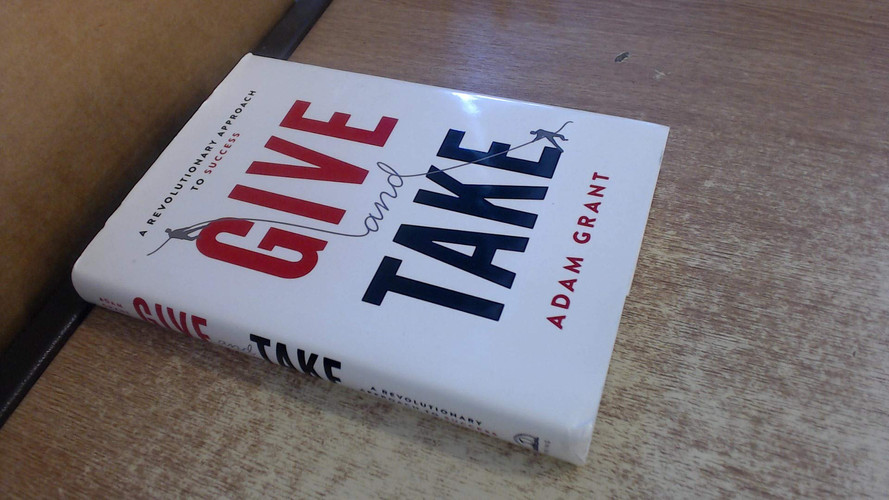
Positives Many readers found this book to be a groundbreaking and thought-provoking exploration of success, often changing their perspective on professional interactions. It introduces a compelling framework that categorizes people into givers, takers, and matchers, offering a counter-intuitive argument that givers can achieve the highest levels of success, not just the lowest. Reviewers frequently praised the book for its engaging narrative style, which weaves research-backed theories with relatable stories and anecdotes, making it a pleasure to read. The book provides practical, useful tips on various aspects, including how to build networks, avoid burnout, and practice intelligent generosity without being exploited. It promotes a more optimistic view of human nature and challenges the conventional "greed is good" mentality, encouraging readers to embrace service and reciprocity as pathways to both personal and collective advancement.
Negatives Despite its positive reception, several reviewers raised significant criticisms regarding the book's scope and methodology. A common concern was that the book appears to be written from a place of privilege, with examples predominantly featuring well-off individuals helping others within similar social or professional circles, offering limited insights for those in more disadvantaged situations. Critics pointed out a lack of intersectionality, particularly in addressing gender, race, and class differences, arguing that the advice might not be universally applicable or could even be detrimental for marginalized groups. Some felt the research was not always rigorous, relying heavily on anecdotes, older studies, or questionable proxies for data, leading to a perception of "psychology lite" rather than deep scientific inquiry. Additionally, some found the book repetitive, overly long, and at times dull, with the author seemingly more focused on telling a motivating story than presenting a consistently strong, unbiased argument. The categorization of people was also noted as potentially oversimplified, and the book was criticized for not fully exploring the potential for "giving" to be a form of social manipulation.
Conclusion Overall, this book presents an inspiring message that generosity and helpfulness can be powerful drivers of success, challenging the traditional notion that ruthlessness is required to get ahead. While it offers valuable insights and practical strategies for cultivating a giving mindset, readers should be aware of its perceived limitations in addressing diverse social contexts and the depth of its scientific backing. This book is particularly recommended for professionals, leaders, and anyone interested in understanding how their approach to relationships impacts their career and well-being. It is well-suited for those who believe in the power of kindness and cooperation, seek to restore their faith in human potential, and wish to learn how to be a strategic giver who builds strong networks and avoids exploitation, ultimately fostering a more positive and productive environment for themselves and others.