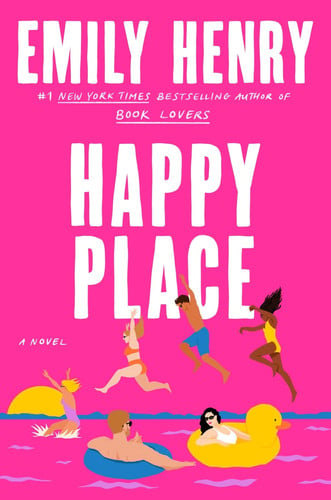
Positives Many readers praise the author's exceptional writing, describing it as poetic, stunning, and deeply emotional. Reviewers frequently highlight the book's ability to articulate complex inner feelings, making the protagonist, Harriet, incredibly relatable in her struggles with self-doubt, people-pleasing, and navigating adult life changes. The dual timeline structure, alternating between past and present, is generally appreciated for its effectiveness in building the love story and showcasing character development. The chemistry between the main characters, Harriet and Wyn, is often described as palpable and intense, leading to a powerfully emotional experience for many who found themselves deeply invested in their journey. Additionally, the exploration of enduring friendships and the theme of found family resonated strongly with readers, who appreciated the nuanced portrayal of evolving platonic relationships.
Negatives Conversely, a significant point of contention among reviewers is the heavy reliance on the miscommunication trope, with many finding the characters' inability to communicate frustrating and unrealistic, especially given their long history. The ending, particularly Harriet's career decision, drew criticism for feeling unearned, financially implausible, and inconsistent with her established character arc. Some reviewers also found the character of Wyn to be underdeveloped or passive, wishing he had shown more agency in fighting for the relationship. The side characters were occasionally described as one-dimensional, and some felt their subplots detracted from the main romance, creating a "third-wheel" sensation. A few readers also noted that the book's pacing could be slow in the middle, or that the overall tone was more melancholic and less "happy" than anticipated for a romance novel.
Conclusion Overall, "Happy Place" evokes a divided response, celebrated by many for its profound emotional depth and relatable exploration of adult anxieties, while others found it fell short of expectations due to specific plot and character choices. It is generally regarded as a more mature and thoughtful read, leaning closer to women's fiction with a strong romantic element, rather than a light romantic comedy. This book would likely appeal to readers who appreciate introspective, character-driven narratives that delve into the complexities of love, loss, grief, and the evolving nature of friendships. It is recommended for those who enjoy second-chance romance with palpable angst and pining, and who are prepared for an emotionally impactful story that may not always provide a straightforward "happy" experience. However, readers averse to the miscommunication trope or seeking a purely cheerful, unproblematic romance might find it less satisfying.