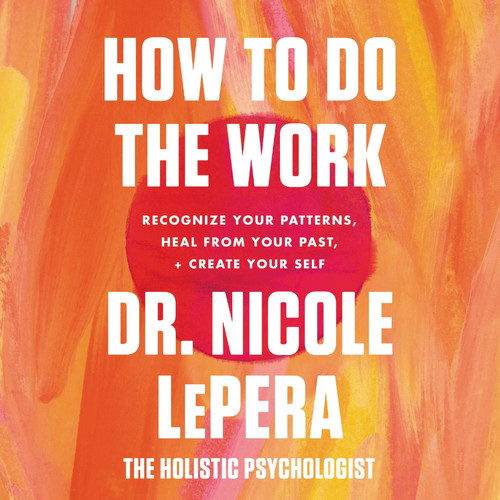
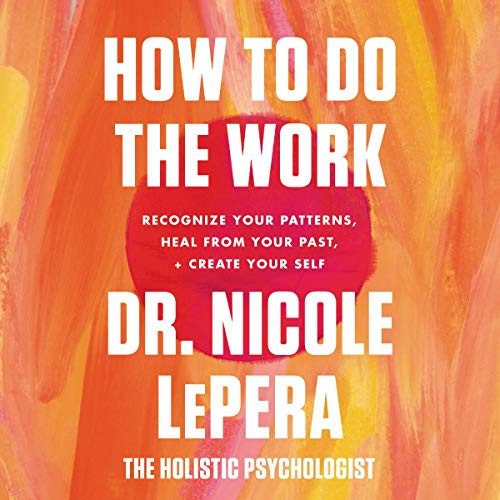
Many individuals find themselves repeating familiar, unfulfilling patterns, operating on autopilot, and struggling with persistent emotional and physical challenges. Dr. Nicole LePera, a clinical psychologist, offers a framework for self-healing by integrating psychological insights with holistic approaches, recognizing the interconnectedness of the mind, body, and soul. This method provides a guide to understanding how adverse experiences and unresolved past traumas, particularly from childhood, contribute to current self-sabotaging behaviors and dysregulation.
"How to Do the Work" presents practical tools and exercises designed to cultivate self-awareness, identify deeply ingrained core beliefs, and establish healthy boundaries. Readers learn to consciously address their past, break free from cycles of codependency and emotional immaturity, and develop new, intentional habits. This empowers individuals to engage in their own transformative journey, fostering emotional resilience and enabling them to create a more authentic, vibrant, and joyful life.
You are your own best healer. This journey begins not by seeking answers outside yourself, but by turning inward, acknowledging that true transformation comes from within. You may have spent years feeling stuck in cycles of self-sabotage, emotional reactivity, or distant relationships, believing that your well-being was dependent on external circumstances or the actions of others. It's time to reclaim that power.
Your past experiences, particularly those from childhood, have shaped the patterns of thought and behavior that govern your life today. Many of us grew up in seemingly "normal" households, yet still absorbed subtle emotional limitations, dysregulation, and a lack of clear boundaries from our caregivers. These early influences can lead to a chronically overwhelmed nervous system, manifesting as feelings of being lost, unseen, or unimportant. Understanding how emotional trauma and nervous system dysregulation manifest is the first crucial step to breaking free.
To truly heal, you must embrace a holistic approach, recognizing the profound interconnectedness of your mind, body, and spirit. Mainstream psychology often falls short by addressing symptoms without delving into their root causes. Instead, consider how physical well-being - through nutritious food, restful sleep, and conscious movement - can profoundly impact your mental and emotional state. Similarly, practices like breathwork and meditation are not mere trends, but powerful tools to soothe your nervous system and restore a sense of calm.
The work demands that you become a conscious observer of your own internal landscape. We often operate on autopilot, reacting to life rather than intentionally responding. Begin by noticing your thoughts, feelings, and physical sensations without judgment. This "attention muscle" allows you to identify deeply ingrained core beliefs - those practiced thoughts grounded in past experiences that dictate how you perceive yourself and the world. Once you bring these beliefs into conscious awareness, you can begin to question them and rewrite your internal narrative.
A significant part of this healing involves meeting your inner child. Inner child wounds represent unmet emotional, physical, and spiritual needs from your formative years, which continue to impact your present self through subconscious patterns. Many of us carry the pain of feeling unheard, unseen, or unloved. Through conscious action and self-awareness, you can begin to reparent yourself, providing the love, security, and validation you may not have received. This process fosters an internalized sense of being "good enough," independent of external approval.
As you delve deeper, you'll learn to recognize and disarm your survival systems. Your nervous system, when chronically overwhelmed, engages threat responses that influence your behavior and keep you trapped in unhelpful cycles. By becoming aware of the physical symptoms of dysregulation, you can implement grounding techniques and mindful practices to stimulate a sense of safety and restore balance. This builds emotional resilience - the capacity to process emotions, communicate boundaries, and regulate your internal state.
Establishing strong, loving boundaries is essential for healthier relationships, both with yourself and with others. This involves severing yourself from familial and societal conditioning that may have dictated your attitudes and actions. By understanding how the ego can lead to self-sabotaging thoughts and behaviors, you can learn to overcome its constraints and cultivate authentic connections. When you stand in alignment with your true self, you naturally attract people who are similarly attuned, fostering a supportive community.
The path of self-healing is not a destination, but a continuous practice. It requires consistent effort, self-compassion, and a willingness to sit with discomfort. There will be moments that are painful and terrifying, but it is in facing these truths that true growth occurs. By integrating holistic practices - from mindful eating and exercise to inner child work and boundary setting - into your daily routine, you empower yourself to live a more vibrant, authentic, and joyful life.
What other readers say
Liked
The book is praised for its earnest and introspective writing, offering deep personal insight into the author's journey of self-discovery and healing. Many readers found the content powerful, appreciating the author's willingness to share her process, knowledge, and wisdom. It is considered a helpful starting point for individuals experiencing symptoms of trauma, particularly those who may not identify with severe traumatic experiences. Reviewers highlighted the book's ability to help them understand trauma more broadly, beyond stereotypical events, and to reframe difficult relationship dynamics by viewing others, such as parents, through the lens of their own histories. The book's focus on the mind-body connection, including the impact of chronic stress, nutrition, and gut health on mental well-being, resonated with many. Readers found actionable advice, practical exercises, and journal prompts, particularly those related to setting boundaries, reparenting, and inner child work, to be beneficial for fostering self-awareness and personal growth. It is seen as a useful guide for cultivating a more compassionate and conscious approach to life, offering a general primer on mindfulness and self-care techniques.
Disliked
Despite its positive aspects, the book received significant criticism. A recurring concern was the book's messaging around "self-healing," which some found to be conflicting and potentially isolating, suggesting that healing is deeply personal but rarely happens entirely alone. Critics felt the title, "How to Do the Work," came across as elitist and prescriptive, implying a single, definitive path to healing rather than a personal journey. Many reviewers pointed out a lack of clear distinction between the book's self-help approach and professional therapy, worrying that it could inadvertently shame individuals needing professional support or lead vulnerable readers to forgo necessary treatment. The book was criticized for its limited discussion of power dynamics, intersectionality, and the unique challenges faced by marginalized communities, with mentions of BIPOC issues often feeling superficial or like an afterthought. Several reviewers questioned the scientific basis of certain claims, citing a reliance on anecdotes over data and the presentation of subjective opinions as universal truths. Specific advice, such as intermittent fasting, was deemed potentially harmful for those with a history of eating disorders, and the accessibility of some recommendations (e.g., yoga) was questioned for diverse audiences. Additionally, the author's writing style was sometimes described as shallow, disjointed, or oversimplified, offering little new information for those already familiar with psychological concepts, and leading some to suggest reading the referenced source materials instead. Concerns were also raised about the author's public conduct, including accusations of gaslighting and silencing critics, particularly women of color, and alleged involvement in past financial improprieties related to a charity.
In short
The book elicits a conflicted response, with readers often experiencing a mix of helpful insights and significant reservations. While it offers valuable tools for introspection, self-awareness, and managing personal challenges, it is not universally recommended as a standalone guide for all forms of healing. The book is likely best suited for individuals new to self-help concepts, those seeking a broad overview of various psychological themes, or readers who resonate deeply with the author's previous online content. It may be particularly helpful for addressing "small-t" traumas and fostering personal responsibility for growth. However, those with severe trauma, complex mental health conditions, or ongoing systemic challenges are cautioned that the book's hyper-individualistic approach and lack of comprehensive professional context may be insufficient or potentially counterproductive. Many reviewers suggest approaching the book with a critical mind, supplementing its teachings with professional guidance, and exploring more in-depth resources from other authors, especially when dealing with profound or systemic issues. Ultimately, whether this book is beneficial appears to depend heavily on the reader's personal background, current life circumstances, and their existing knowledge of psychological and self-help principles.