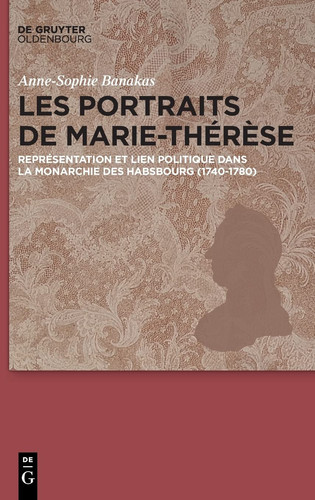
The year 1740 marked a turning point for the Habsburg domains, as the young Maria Theresa ascended to the throne, becoming the first and only woman to rule in her own right. Her reign, extending until 1780, was a period fraught with territorial disputes, dynastic challenges, and sweeping reforms. In this tumultuous era, the meticulous crafting and widespread dissemination of her image through portraiture became an indispensable tool for asserting her authority and forging a unified identity across a vast, polycentric monarchy.
Across the diverse lands of Austria, Bohemia, Hungary, the Austrian Netherlands, and various Italian territories, a vast corpus of portraits emerged, each a carefully constructed statement of power and legitimacy. The process began in the artist's studio, where painters, from esteemed court artists like Martin van Meytens to a network of regional talents, translated the sovereign's likeness onto canvas. These artists were not merely capturing a visage; they were imbued with the task of presenting Maria Theresa in a manner that resonated with her complex roles - as Archduchess, Queen, Empress, mother, and widow - each aspect contributing to the grand tapestry of her public persona.
Once created, these images embarked on journeys of their own, becoming vital instruments in a sophisticated system of political and social exchange. The portraits were distributed strategically, serving as diplomatic gifts to foreign courts, symbols of allegiance for loyal subjects, and visual affirmations of the Habsburg presence in distant provinces. The act of commissioning a portrait of the sovereign became a significant gesture for local elites, often following imperial visits, thereby reinforcing the hierarchical bonds that held the monarchy together. This widespread diffusion ensured that Maria Theresa's presence, even in absentia, was felt throughout her extensive realms.
The exhibition spaces for these portraits were as varied as their destinations. They adorned the grand halls of imperial residences, graced the private chambers of loyal aristocrats, and found their place in public institutions, constantly reminding all who beheld them of the empress's unwavering sovereignty. Each setting transformed the portrait into more than just an artwork; it became an active participant in the rituals of courtly life and political representation, shaping perceptions and solidifying loyalty.
Within this visual language, a rich iconography developed, carefully tailored to convey specific messages about Maria Theresa's unique position. Early portraits might emphasize her youthful determination and dynastic continuity, while later depictions highlighted her wisdom, resilience, and the maternal aspect of her rule, often surrounded by her numerous children, symbolizing the future of the dynasty. Even in her widowhood, portraits continued to project an image of steadfast leadership, underscoring her enduring strength and commitment to her people.
Ultimately, these portraits were far more than mere likenesses; they were potent political artifacts, meticulously designed and strategically deployed to navigate the challenges of a female ruler in a male-dominated world. They reveal how Maria Theresa, with remarkable astuteness, harnessed the power of art to construct and project a monarchical identity that was both commanding and relatable, securing her legacy and shaping the visual culture of the Habsburg Monarchy for generations to come.