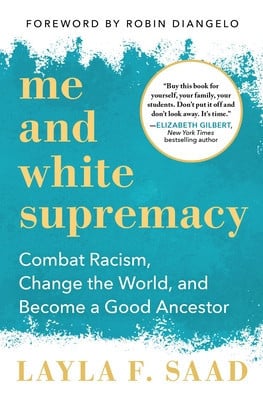
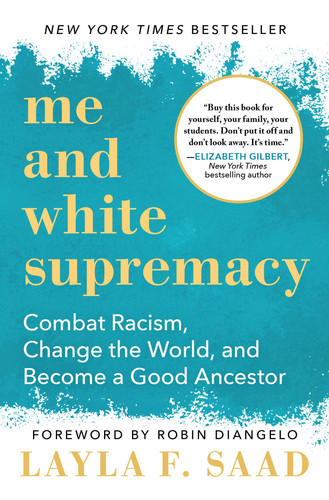
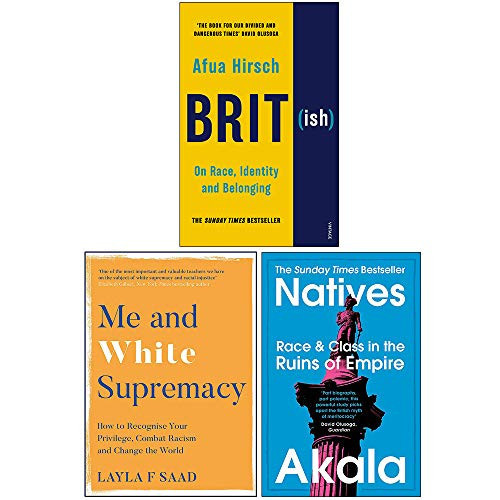
Positives Many readers praised this book for its unique workbook format, offering a 28-day guided journey with reflection prompts that encourage deep personal engagement rather than passive reading. Reviewers found it to be an eye-opening experience, helping white readers confront their role in systemic racism and gain new perspectives on concepts like white privilege and unconscious biases. For people of color, the book was often described as validating, articulating their struggles and experiences effectively. It is seen as a valuable resource for self-identified white liberals or progressives who are genuinely ready to undertake uncomfortable self-examination, providing them with tools and language to address racism in their personal lives and interactions. The book is also noted for clearly defining many anti-racism terms, serving as a useful dictionary for the subject.
Negatives Conversely, a significant number of reviewers expressed strong criticisms, primarily regarding the book's tone, which many found to be overly confrontational, accusatory, and preachy. Critics felt the author often made broad generalizations about all white people, portraying them as inherently complicit in racism without sufficient nuance, which could alienate potential readers. Concerns were also raised about a perceived lack of concrete, real-world examples, historical context, or empirical data to support its assertions, leading some to feel the book "tells rather than shows." Several reviewers felt the book heaps guilt on white readers without offering a clear path to forgiveness or reconciliation, and that its proposed solutions might be counterproductive, exacerbating divisions rather than fostering unity or addressing systemic issues effectively. Some found the journaling questions repetitive and noted that the book sometimes assumes a level of diverse life experience that may not apply to all readers.
Conclusion Overall, the book appears to be a polarizing work, highly effective for a specific audience while proving alienating for others. It is most strongly recommended for white individuals who are already engaged in anti-racism discussions, are open to rigorous self-reflection, and are prepared to confront potentially uncomfortable truths about their own biases and participation in systemic issues. Many suggest it functions best not as a primary introduction to racism, but as a follow-up or companion to other anti-racism texts, or as a tool for ongoing personal development. The book's value is largely dependent on the reader's willingness to actively engage with its workbook format and prompts, making it less suitable for those seeking a purely passive reading experience or for those who are easily defensive when challenged on these topics.