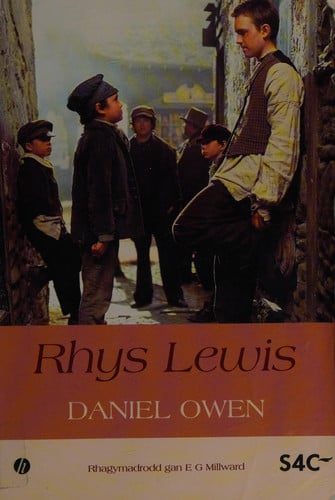
The air in Mold, a small Flintshire town, hung thick with the dust of coal and the earnest hymns of the Calvinistic Methodists. Here, young Rhys Lewis, the younger son of a poor, fatherless family, began his journey. His mother, Mari, a woman of unshakeable faith, strove to raise her two boys in the strict tenets of their chapel, while his older brother, Bob, toiled in the mines, his spirit yearning for more than the dark earth. Their lives were often shadowed by the unwelcome presence of Uncle James, a violent poacher whose erratic visits brought only trouble and siphoned away what little Bob managed to earn.
Upon his mother's passing, Rhys found himself apprenticed to Abel Hughes, a respected elder in the chapel and a draper by trade, moving into his master's home. The rhythm of chapel life and the quiet industry of the shop formed the backdrop to his adolescence. Yet, a secret desire to stand in the pulpit, dazzled by the status of preachers, warred with a growing drift from the fervent faith his mother had instilled. His friend, Wil Bryan, a lively and sometimes reckless spirit, led him further down paths that tested the boundaries of his upbringing, until a near-fatal incident brought Rhys to the brink of a profound crisis of conscience.
In the aftermath, a heavy burden lifted when Rhys confessed his spiritual wrestling to Abel Hughes. Instead of condemnation, he found kindness and wise counsel, guiding him back to a sincere and deeper understanding of faith. This renewed conviction set him firmly on the path towards becoming a preacher. But just as the horizon of college and ministry seemed within reach, tragedy struck again. Abel Hughes died, and in a cruel twist of fate, Uncle James cheated Rhys out of his meager savings, leaving him once more adrift and penniless.
Despite these crushing blows, a quiet determination propelled Rhys forward. With the unexpected support of Abel's elderly spinster sister and Thomas Bartley, he found his way to college. There, he applied himself diligently, overcoming the disadvantages of his humble beginnings. To his own surprise, and perhaps a touch of trepidation, the call came: he was invited to become the minister of the very Calvinistic Methodist chapel where he had been raised.
This momentous offer, however, brought a fresh wave of internal conflict. How could he, Rhys, stand before such a congregation, bearing the weight of his family's shame? The specter of Uncle James's unsavory antics and the lingering questions surrounding his absent father cast a long shadow, making him question his worthiness to lead. The very community he wished to serve was inextricably linked to the trials and tribulations that had marked his life.
Meanwhile, his brother Bob walked a different, equally arduous path. Driven by a thirst for knowledge, Bob taught himself English, delving into books that, ironically, led him to question the simple faith of their mother. His outspokenness and willingness to challenge authority ultimately led to his excommunication from the Calvinistic Methodists after he defended Rhys from a harsh schoolteacher. Yet, Bob continued his search for truth, becoming a formidable leader among the coal miners, fighting against the injustices of an incompetent supervisor. This struggle culminated in a workers' riot, which Bob had desperately tried to prevent, leading to his false imprisonment and plunging the family into even deeper poverty.
Through Rhys's own narrative, one witnesses the intricate tapestry of a Welsh community, where the chapel stood as the beating heart, grappling with the encroaching tide of industrialization and external influences. It is a world where evangelical Christian faith is tested, misunderstood, and sometimes merely adopted by popular culture, rather than truly embraced. The lives of its inhabitants, from the devout Mari to the wayward Wil Bryan, are painted with vivid strokes, revealing their humor, their struggles, and their enduring spirit.