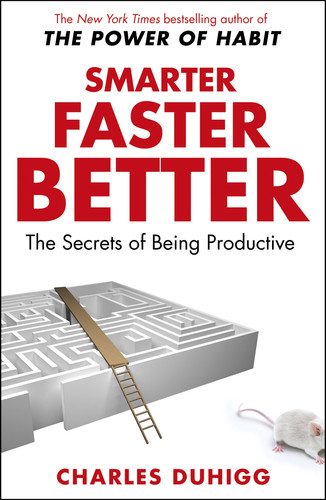
To truly excel, to become smarter, faster, and better, it is not simply about working harder or pushing oneself to the brink of exhaustion. Instead, it is about making deliberate choices and cultivating a specific mindset that redefines how one approaches tasks and challenges. The most productive individuals and organizations don't merely act differently; they perceive the world and their options through a fundamentally distinct lens.
At the core of this transformation lies motivation, born from a profound sense of control. When you frame your daily decisions not as obligations but as active choices you are making, your engagement and drive deepen. It's the difference between feeling compelled to complete a task and choosing to pursue it because it aligns with a larger, self-directed purpose. This internal locus of control empowers you, making even mundane activities feel like meaningful steps towards a desired outcome.
Once motivated, the path forward is illuminated by precise goal setting. Begin with ambitious "stretch goals" that inspire and challenge, pushing the boundaries of what seems possible. Then, break these grand visions into smaller, actionable "SMART" goals - Specific, Measurable, Achievable, Relevant, and Time-bound. This dual approach provides both a guiding star and a clear, manageable roadmap, preventing overwhelm and fostering a consistent sense of progress.
Maintaining focus in a world brimming with distractions becomes paramount. The most effective individuals develop the capacity to anticipate potential challenges and distractions by constructing mental models. These internal simulations allow for proactive problem-solving, enabling one to steer clear of interruptions and dedicate undivided attention to the task at hand. It is about actively choosing what to concentrate on and consciously minimizing the pull of competing demands.
When working with others, the dynamics of a team are crucial. The highest-performing groups are characterized by psychological safety, where every member feels secure enough to voice ideas, ask questions, and even make mistakes without fear of retribution. This environment of trust and open communication, coupled with a healthy embrace of intellectual disagreement, sparks innovation and allows collective intelligence to flourish, proving that how a group interacts is often more vital than who is in it.
Innovation itself is not a sudden flash but a cultivated process. It involves a willingness to experiment, iterate, and even stumble, constantly seeking new applications for existing ideas. Often, breakthroughs emerge when one allows their subconscious to work on problems, stepping away from the direct task to gain fresh perspective. This creative space, combined with an openness to serendipity and a willingness to embrace constraints, often yields the most ingenious solutions.
Effective decision-making hinges on the ability to envision contradictory futures, much like a skilled poker player anticipating opponents' moves. By actively considering multiple possibilities and their potential outcomes, one can make more informed choices, even in ambiguous situations. This strategic foresight minimizes missteps and optimizes for success.
Finally, true productivity is sustained by a continuous thirst for learning and an adeptness at absorbing and utilizing data. It's about organizing vast amounts of information into manageable "chunks" for better comprehension and retention. This ongoing commitment to self-improvement, coupled with critical thinking and curiosity, allows one to adapt and thrive in an ever-changing world, ensuring that time is used not just efficiently, but profoundly well.