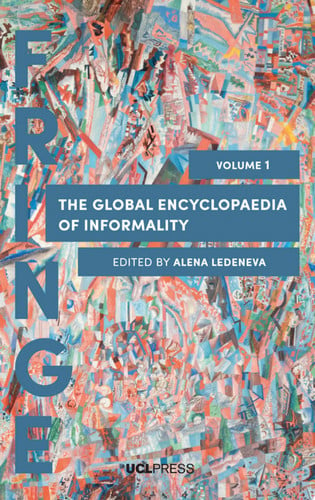
Embark upon a global expedition into the intricate tapestry of human interaction, a journey that unveils the hidden mechanics of daily life often obscured by official discourse. This exploration delves into the profound realm of informal practices, those invisible yet potent "ways of getting things done" that shape societies across every continent. These are the open secrets, the unwritten rules, and the tacit know-how that insiders expertly navigate, even as they remain largely hidden from the casual observer or policymaker.
At the heart of this inquiry lies the paradox of informality: its ubiquity belies its elusive nature. Across diverse cultures, these practices manifest in various forms. One encounters emotion-driven exchanges, such as the giving of gifts or the reciprocal offering of favors, alongside tributes rendered for services. There are also interest-driven forms of know-how, ranging from informal welfare systems to the intricacies of informal employment and entrepreneurship. Further still, identity-driven practices of solidarity bind communities, while power-driven mechanisms of co-optation and control subtly influence governance and social order.
This particular volume plunges deeper into understanding social and cultural complexity, focusing its lens on the functional ambivalence inherent in market informalities and the motivational ambivalence that underpins informal domination. It maps the nuanced interplay where formal structures meet their informal counterparts, revealing the blurred boundaries and grey zones that define lived experience. The collection presents a rich mosaic of entries gathered from over two hundred scholars spanning five continents, each contributing to a truly global perspective on these embedded phenomena.
Through this collective scholarly endeavor, a comprehensive "Global Map of Informality" begins to emerge. This map is not merely a catalog; it is an analytical framework designed to illuminate the contexts of complexity where informal practices thrive, often underestimated in their impact on policy and business alike. It challenges conventional assumptions, inviting a re-evaluation of how informality relates to concepts such as corruption, poverty, development, and even morality itself.
Ultimately, this voyage of discovery invites one to perceive the world through a new lens, recognizing the profound significance of these unarticulated customs. It provides the essential tools to comprehend how people truly adapt, survive, and even thrive within existing systems, often by leveraging networks of mutual help, favors, and emotional currencies. To fully engage with this ever-growing collection, an accompanying digital database allows for exploration by region, keyword, or specific practice, revealing what works, how, where, and why, across the vast landscape of human informality.