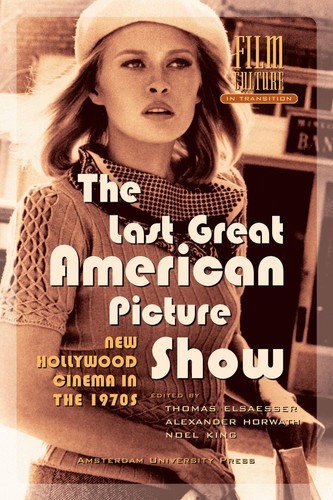
The fading light of the studio system in the late 1960s gave way to a flickering, often audacious, new era in American filmmaking, a period now recognized as the original New Hollywood. This collection of scholarly essays delves into the heart of that tumultuous decade, re-evaluating the films of the 1970s not as a "lost generation" but as a foundational moment without which the cinematic landscapes of Francis Coppola, Steven Spielberg, Robert Zemeckis, Tim Burton, or Quentin Tarantino could not have emerged. It charts a course through the changing perceptions of this era, revealing how these films, once dismissed, have become benchmarks for new directorial talent and cult classics for film enthusiasts worldwide.
The journey into this "impure cinema" begins with an exploration of its historical context, acknowledging the social upheavals in America that were integral to its emergence. The 1970s saw a breakdown of classical Hollywood's dual narrative structure, where romantic and mission plots often found complementary resolutions. Instead, the New Hollywood often presented narratives where personal and political strands collided with violent repercussions, leaving audiences with more uncertain and discomforting responses. This was a time when movies mattered, a decade marked by a distinctive cross-pollination between mainstream and alternative modes of production, drawing influences from New York experimental film culture and European cinephilia.
Within this landscape, the book highlights the "exploitation generation," demonstrating how marginal films often came in from the cold, and how the "Sixties melting pot" profoundly influenced the cinematic output. It casts a wide net, discussing not only the extensively written-about works of auteurs like Martin Scorsese, Robert Altman, and Francis Coppola, but also bringing into sharper focus films and filmmakers often overlooked in other studies of New Hollywood. This includes exciting rides through the careers of figures like Monte Hellman, a deep dive into Barbara Loden's *Wanda*, and Adrian Martin's analysis of James Toback's *Fingers*, alongside explorations of the contributions of Roger Corman to this pivotal period.
The essays meticulously examine the unique artistic sensibilities that brought American films closer to their European counterparts, emphasizing a shift towards a cinema of gesture and the body, where the momentum of action often ceded to moments of physicality. This era saw a profound questioning of the American Dream, with themes reflecting sociocultural issues and often centering on the potential meaninglessness of its pursuit. The films of this period were characterized by innovative techniques, gritty aesthetics, and a modern sensibility, often featuring genre-blending and boundary-crossing content that depicted something closer to real life.
Ultimately, this re-evaluation posits that the New Hollywood of the 1970s was a period of extraordinary contradiction: an era where an aesthetically experimental, socially conscious auteur cinema co-existed with the nascent stirrings of a blockbuster mentality. While the rise of films like *Star Wars* towards the end of the decade marked a crucial shift in public discourse and popular cinema, potentially signaling the end of this "last great American picture show," its legacy is undeniable. The groundwork laid by these directors, their willingness to challenge stagnant norms, and their independent spirit continue to resonate, providing a yardstick for judging the aesthetics of subsequent American filmmaking and influencing generations of filmmakers to come.