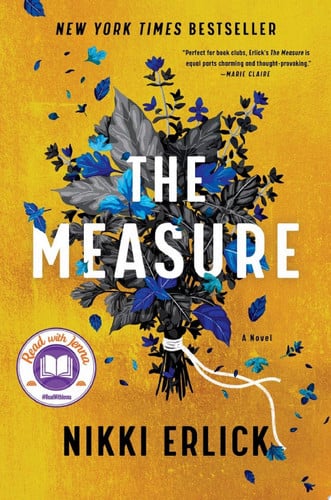
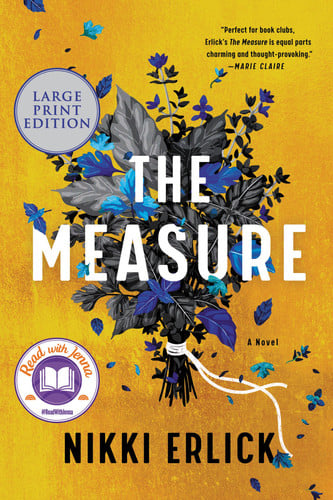
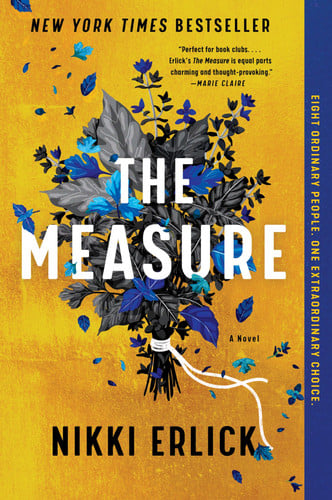
One ordinary morning, the world awoke to an inexplicable phenomenon: a small, wooden box on every doorstep, for every person over the age of twenty-two. Each box, inscribed with the simple phrase, "The measure of your life lies within," held a string, its length precisely indicating the years one had left to live. The appearance of these enigmatic objects plunged humanity into a collective frenzy of fear, wonder, and profound introspection, shattering the illusion of an unknowable future.
Among those grappling with this new reality were Nina, a meticulous journalist, and her spirited girlfriend, Maura. Initially skeptical, Nina urged caution, but the undeniable truth of the boxes soon became clear, forcing them to confront their own measures. Maura, driven by a fierce curiosity, opened her box to find a string significantly shorter than Nina's, a revelation that instantly reshaped their shared dreams and the very fabric of their love.
Across the city, Ben, a charming architect, found his life unraveling under the weight of a short string. Despair and alienation became his constant companions, exacerbated by a society that began to stratify, subtly at first, then overtly, based on the length of one's string. He sought solace in a support group, a quiet refuge for those facing a truncated future. Meanwhile, Nina's younger sister, Amie, chose a different path, refusing to open her box, embracing the mystery of an unrevealed fate.
As the world grappled with this new knowledge, political currents shifted. Anthony Rollins, a presidential hopeful, shrewdly capitalized on the fear and division, championing the "STAR Initiative" which mandated the disclosure of string lengths for government and military personnel. His nephew, Jack, and Jack's roommate, Javier, both aspiring military academy graduates, found their intertwined destinies complicated by these new regulations, leading to a desperate, secret exchange of their strings in a bid to preserve Javier's dream.
The strings became both a personal burden and a societal wedge. Friendships were tested, relationships fractured, and new forms of prejudice emerged against "short-stringers." Yet, amidst the fear, there were glimmers of profound connection and resilience. Amie, through a series of anonymous letters, found an unexpected confidant in Ben, their correspondence weaving a tapestry of shared vulnerability, fear, and burgeoning hope, proving that even in a world defined by its end, human connection could still bloom.
As the years passed, the initial shock gave way to a deeper reckoning. Maura, facing her inevitable end, found herself wrestling with the meaning of her life, determined to live fully within the time she had. Jack, burdened by his secret, eventually made a courageous choice that helped dismantle the institutionalized discrimination against short-stringers, a catalyst for change born from personal sacrifice.
The narrative culminated in emotional revelations, unexpected turns, and a profound examination of whether knowing one's fate was a gift or a curse. It was a journey that questioned the very essence of free will and destiny, highlighting the enduring power of hope, the strength found in human connection, and the unwavering importance of cherishing each moment, regardless of the measure revealed within a simple wooden box.