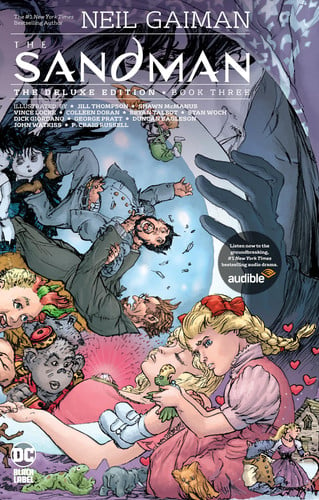
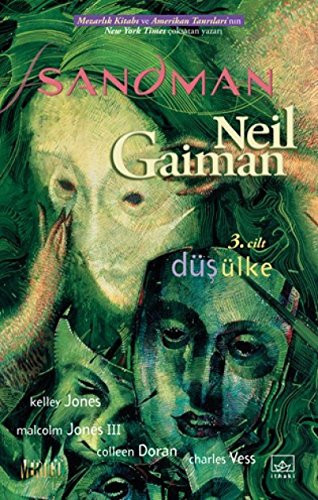
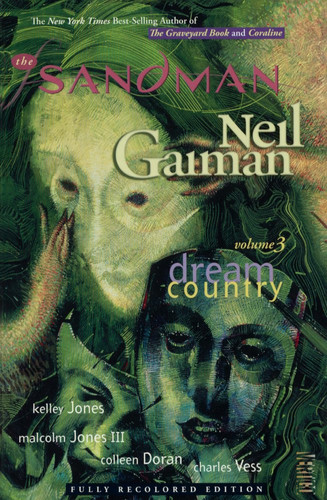
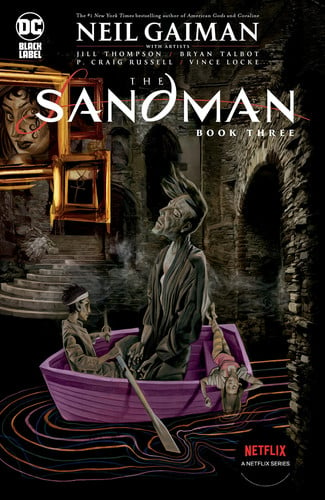
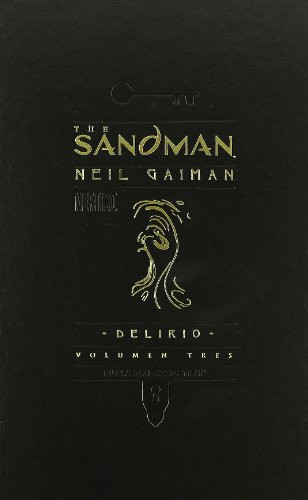
Positives This volume of The Sandman series is widely praised for its collection of compelling, standalone stories that expand the rich universe of dreams and mythology. Many reviewers highlight "A Midsummer Night's Dream" as a particular masterpiece, often cited as one of the best tales in the entire series and noted for its unique literary depth and meta-narrative complexity. "A Dream of a Thousand Cats" also receives significant acclaim for its charming, witty, and powerful exploration of collective dreams and the animal kingdom. Readers appreciate Neil Gaiman's imaginative storytelling, his ability to weave together fantasy, historical figures, and diverse mythologies, and the overall thematic richness concerning the power of stories and imagination. The varied artwork by guest artists is also frequently mentioned positively, with some pieces being lauded as beautiful and evocative.
Negatives However, the volume's departure from a continuous narrative arc is a common point of criticism, with some readers finding the collection of short stories less cohesive or impactful than previous volumes. The content of "Calliope," one of the stories, is noted for its dark and challenging subject matter, including themes of abuse, which some reviewers found repulsive or difficult to read. "Facade" is occasionally considered the weakest entry, with some finding it lacking in substance or too gloomy. While many adore "A Midsummer Night's Dream," a few readers admitted to finding it boring or difficult to fully appreciate without prior familiarity with Shakespeare's original play. Additionally, the art style, while appreciated by some for its abstract or distinctive qualities, was disliked by others who found it "scratchy" or not conventionally beautiful.
Conclusion Overall, "Dream Country" is viewed as a solid, albeit sometimes uneven, entry in The Sandman series that serves as an interlude to the main storyline. It is recommended for readers who appreciate standalone, thematically rich stories that delve into mythology, the power of imagination, and the complexities of human (and non-human) existence. Fans of Neil Gaiman's distinctive blend of fantasy, literary references, and challenging themes, as well as those interested in exploring the broader Sandman universe and its unique characters like Death, are likely to find this volume a worthwhile read, despite its darker elements and episodic structure.