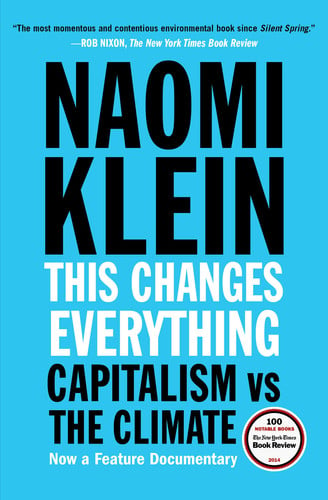

The melting tarmac beneath the wheels of a grounded plane, a stark image, signals a truth we can no longer ignore: the climate crisis is not merely an environmental concern to be addressed with minor adjustments, but a profound alarm demanding a radical transformation of our entire economic system. For decades, we have been lulled into believing that the market would save us, that technological fixes or individual consumer choices could avert catastrophe. Yet, as the storms rage and the droughts deepen, it becomes clear that this approach has only dug us deeper into the mire.
The core of the matter lies in the reigning ideology of our time: deregulated capitalism. This system, with its insatiable imperative for relentless growth and exploitation, treats the Earth as an endless resource to be plundered and its capacity to absorb pollution as limitless. It is this "extractivist" worldview, viewing nature as a vending machine rather than a living system, that is fundamentally incompatible with ecological sensibility and climate justice. We have not taken the necessary steps to lower emissions because those steps directly conflict with the very tenets of this economic model, a model held in a stranglehold by an elite minority whose interests are deeply intertwined with the fossil fuel industry.
Consider the powerful grip of the fossil fuel corporations, their political influence, and their relentless expansion into destructive practices like fracking and tar-sand oil extraction. These entities, driven by profit, actively obstruct meaningful climate action, lobbying against regulations and prioritizing short-term gains over the planet's health. Even some mainstream environmental organizations, by seeking partnerships with these very industries or promoting convoluted market-based schemes, have inadvertently legitimized a system that continues to make things worse. The delusion that green billionaires or geoengineering will offer a miraculous escape only distracts from the systemic changes truly required.
However, the urgency of this crisis is not a call for grim penance, but rather a profound opportunity, a gift even, to mend our broken economic and cultural priorities and to heal long-festering historical wounds. It is a chance to simultaneously reduce gaping inequalities, re-imagine our democracies, and rebuild our local economies. The path forward demands a fundamental shift away from the "free market" ideology, a restructuring of the global economy, and a remaking of our political systems.
This transformation is already taking root in the inspiring movements emerging worldwide, a decentralized network often referred to as "Blockadia." These are communities on the front lines, refusing to be sacrifice zones for further fossil fuel extraction, and instead actively building the next, regeneration-based economies. Indigenous land rights, for instance, prove to be one of the most potent tools in this struggle, as many of the planet's last untapped fossil fuel reserves lie on their traditional territories, alongside prime locations for renewable energy.
The solutions lie not in incremental adjustments, but in large-scale government intervention and investment in green jobs, infrastructure, and renewable energy. This means democratically controlled renewable energy infrastructure, eco-agriculture, international regulations, and tax models that redirect funds from polluting industries into green public projects. It's about breaking every rule in the "free-market" playbook: reining in corporate power, rebuilding local economies, and reclaiming our democracies. The fight against climate change is inextricably linked to the struggle for economic and social justice, demanding a grassroots mass movement that weaves together various strands of existing social and political struggles. This changes everything, and in this radical shift, lies our best chance for a safer, more just, and truly sustainable future.