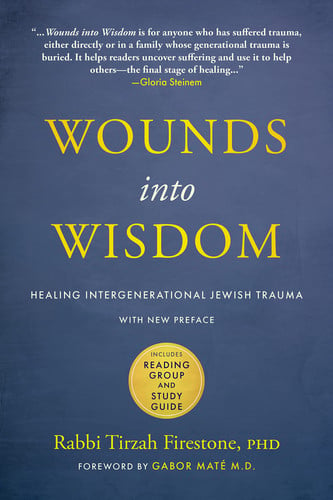
A profound understanding begins to dawn: the wounds of the past do not simply vanish with the passing generations. Instead, they echo through the present, shaping lives in ways often unseen, yet deeply felt. You come to realize that the raw, unaddressed suffering of ancestors - the terror of persecution, the devastation of the Holocaust, the relentless shadow of displacement - leaves an indelible imprint, not only in family narratives and learned behaviors but also, astonishingly, in the very expression of our DNA. This legacy, a complex tapestry of both inherited strength and deep woundedness, guides your journey into the intricate world of intergenerational trauma.
Through poignant personal stories and compelling interviews, you are introduced to the lives of those who carry these echoes: a young woman unknowingly repeating the exact words of her lost grandmother, an Israeli war hero haunted by decades of terrifying nightmares, families harboring secrets from their flight from Tehran. The very fabric of these lives reveals how extreme trauma alters us, not just individually, but collectively, leaving a profound mark on an entire people. You witness how the author's own family, with a mother who survived the Holocaust and a father who bore witness to its horrors as a soldier, became a testament to this enduring impact.
The journey delves into the fascinating intersection of modern neuroscience and ancient spiritual wisdom. You learn that what was once considered merely psychological is now understood to have biological roots, with epigenetics demonstrating how trauma can alter gene expression, creating a "biological memory" passed down through the family line. This scientific grounding merges seamlessly with the rich tapestry of Jewish wisdom, offering a unique lens through which to comprehend the enduring challenges faced by those carrying a history of collective suffering.
Yet, this exploration is not one of despair, but of profound hope. It unveils a powerful truth: while trauma changes us, we possess the agency to choose the outcome of our story. The path to healing is illuminated through seven guiding principles, distilled from the testimonies of survivors and their descendants. These principles invite you to courageously face your pain, to take decisive action, and to consciously shift from a perception of victimhood. They challenge you to resist the historical response of "othering" and to redefine concepts like "chosenness," transforming potential sources of further isolation into avenues for connection and strength.
You are shown that the work of healing is not a solitary endeavor. It thrives within an aware community, where others can witness, mirror, and offer support, reminding you that you can indeed change the narrative of your life. This transformative process involves deep inner excavation, a sensitive untangling of emotional and psychological knots, and the conscious garnering of wisdom from well and wise ancestors.
Ultimately, the message resonates: by engaging in this profound work, by transforming our inherited wounds, we not only heal ourselves but also contribute to the healing of future generations and the wider world. It is a call to moral awakening, an invitation to emerge from the wreckage of past tragedies, reclaim innate wisdom, and reshape destiny, offering a template for anyone seeking to turn suffering into profound understanding and liberation.