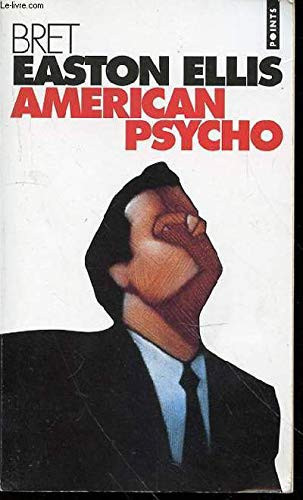
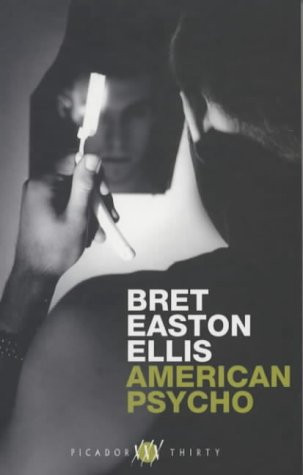
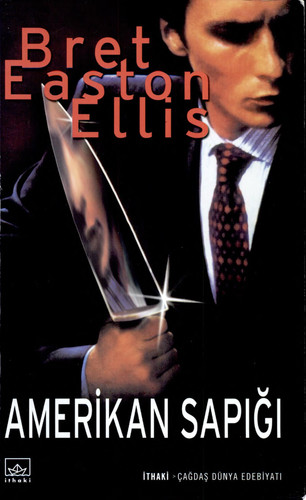
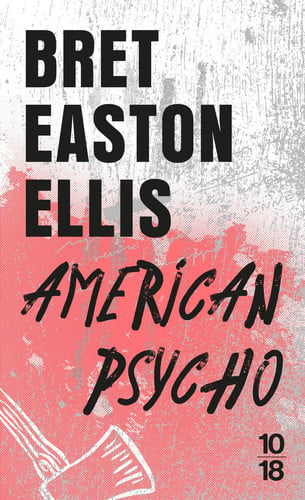
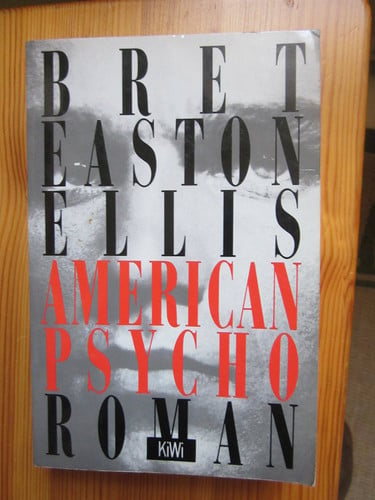
The morning ritual is paramount. A meticulous regimen of cleansing, toning, and moisturizing, each product cataloged in the mind, ensuring the perfect façade. For Patrick Bateman, a Wall Street investment banker in the late 1980s, appearance is everything. Every suit, every tie, every pair of shoes is chosen with an almost religious fervor, a testament to an unyielding devotion to brand names and impeccable taste. His world is a glittering, sterile tableau of exclusive clubs, designer labels, and reservations at the most coveted restaurants in Manhattan, like Dorsia, a place of mythical status.
His days are a blur of superficial conversations with equally vacuous colleagues and acquaintances, all vying for status, comparing business cards, and discussing the minutiae of their extravagant lives. Timothy Price, Evelyn, Courtney - the names and faces often blend, sometimes even their identities are mistaken, a recurring phenomenon in this insulated world where individuality seems to dissolve beneath a veneer of wealth and conformity. He is engaged to Evelyn, a relationship as hollow and transactional as most others, marked by a mutual preoccupation with appearances.
Beneath the flawless exterior, however, a darker current flows. Patrick's internal monologue is a torrent of obsessive thoughts, critiques of pop music, and increasingly, chilling fantasies of violence. These thoughts begin to bleed into reality, at first subtly, then with escalating brutality. A homeless man, a dog, a child at the zoo - his victims are often vulnerable, their humanity stripped away in his mind, reducing them to mere objects for his sadistic impulses. He describes these acts with the same detached, meticulous detail he applies to his skincare routine or a review of a Phil Collins album.
The gruesome acts intensify. Call girls are lured to his apartment, where sex quickly devolves into torture and murder, depicted with unflinching, graphic detail. He uses acid, drills, and axes, the brutality escalating with each encounter. Yet, his confessions to friends and colleagues are met with dismissal, laughter, or a complete lack of comprehension, as if they cannot - or will not - truly hear what he is saying. This collective blindness further isolates him, deepening the chasm between his public persona and his monstrous inner life.
The disappearance of Paul Owen, a fellow investment banker whom Patrick despises and whose identity he is often mistaken for, marks a significant turning point. Patrick meticulously disposes of Owen's body, takes over his apartment as a new killing ground, and even books a one-way ticket to London in Owen's name to throw off suspicion. A private investigator, Donald Kimball, questions Patrick about Owen, but the inquiry seems to lead nowhere in the face of the impenetrable superficiality of their world.
As his grip on reality loosens further, fueled by drug consumption and an insatiable appetite for vice, his delusions grow more pronounced. Cash machines speak to him, and he experiences blackouts, waking in unknown places. The lines between what is real and what is imagined become increasingly blurred, creating an unreliable narrative where the reader is left to question the veracity of his most horrific deeds.
Despite his escalating violence and increasingly bizarre behavior, the world around Patrick remains largely oblivious or indifferent. His fiancée, Evelyn, finally receives a box of flies for Valentine's Day, a final, grotesque gesture in their meaningless relationship. The novel culminates in a frantic, desperate confession over the phone, detailing his crimes, only to have it dismissed as a joke or a misunderstanding by his lawyer. In this world of extreme consumerism and moral decay, Patrick Bateman, the American Psycho, finds that even his most heinous acts fail to register, leaving him trapped in a perpetual state of unpunished depravity, an invisible monster in plain sight.