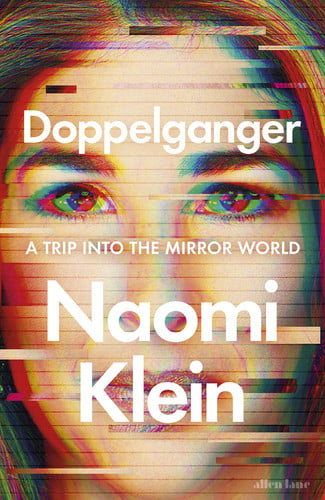
Positives Many readers found this book to be a fascinating, unique, and deeply engaging exploration of contemporary culture and politics. It is praised for providing insightful analysis into complex phenomena such as the rise of misinformation, online radicalism, and the shift towards "alternative facts" in modern society. Reviewers highlight the author's ability to connect various societal issues, including the climate crisis, anti-vaccine movements, and political polarization, through the lens of the doppelganger concept. The book is commended for its astute observations, rigorous research, and clarity, helping readers to comprehend the underlying drivers of mass behaviors that might otherwise seem bewildering. It also offers a thought-provoking examination of how skepticism can be distorted into conspiracy theories and explores the unexpected alliances between seemingly disparate ideologies, such as certain New Age wellness movements and far-right politics. For many, it provided a sense of understanding and even reassurance in a chaotic world, encouraging a deeper reflection on personal and collective roles within these systems.
Negatives Despite its strengths, the book received criticism from several reviewers. A common point of contention was the central doppelganger theme, which some felt was occasionally forced, tenuous, or loosely applied across the diverse topics, leading to a disjointed narrative. Some readers found the book to be a "ragbag of ideas" or a collection of musings, lacking a cohesive structure or a satisfying overall conclusion. The suggested solutions were sometimes perceived as shallow or weak in comparison to the depth of the problems discussed. For certain readers, the book did not offer new or revelatory insights, particularly if they were already familiar with the political and social issues presented. A significant criticism also emerged regarding the author's perceived political bias, with some reviewers arguing that the book veered into a "lefty conspiracy theory," especially in its critiques of capitalism and Zionism. These critics felt that the author sometimes ignored scientific nuance or protected certain narratives, leading to accusations of lacking humility or being "sophomoric."
Conclusion Overall, this book is seen as a thought-provoking and often challenging read that delves into the complexities of our "mirror world." It stands out as a unique blend of personal reflection and cultural critique, prompting readers to reconsider their understanding of identity, truth, and societal divisions. The book is likely to appeal most to readers who appreciate in-depth, critical analyses of contemporary political and social issues, particularly those concerned with misinformation, digital culture, and the evolution of political ideologies. Those familiar with the author's previous work on capitalism and social justice will likely find this book a natural extension of her themes. It is recommended for individuals open to a structural examination of power and willing to engage with complex, sometimes uncomfortable, ideas about the current global landscape, even if they do not fully agree with every conclusion presented.