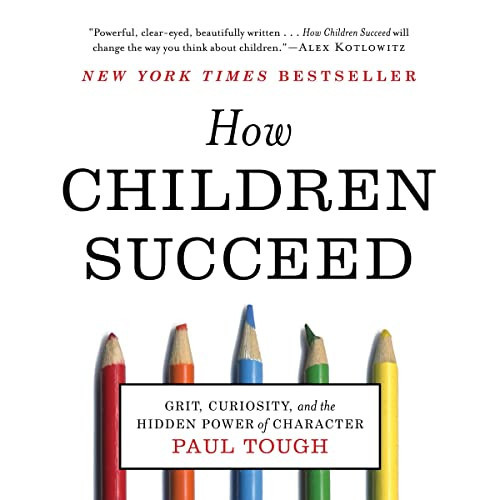
The common narrative about childhood success often centers on intelligence, on the raw cognitive power measured by test scores and IQ. Yet, a deeper inquiry into what truly propels individuals forward reveals a surprising truth: it is not merely intellectual prowess, but a constellation of character strengths that holds the hidden power to shape a child's future. These are the qualities that allow a person to navigate life's inevitable setbacks, to persist when challenges arise, and to engage with the world with an insatiable desire to learn and grow.
From the earliest moments of life, the foundations for these crucial non-cognitive skills are laid. Adversity, particularly in early childhood, can cast a long shadow, altering the very architecture of a developing brain and affecting a child's capacity for self-regulation, focus, and emotional resilience. Children growing up in stressful environments often find it harder to concentrate, to sit still, and to rebound from disappointments. However, attentive and nurturing parenting can act as a powerful buffer, creating secure attachments that shield children from the harshest impacts of trauma and foster the intrepidness and self-reliance needed for social competence.
As children grow, the cultivation of specific character traits becomes paramount. Perseverance, often termed "grit," stands out as a passionate commitment to a single mission, an unswerving dedication to achieve a goal despite obstacles. Curiosity fuels a child's engagement with the world, while self-control - famously illustrated by the marshmallow experiment - demonstrates the ability to resist immediate gratification for long-term rewards. Conscientiousness, optimism, zest, social intelligence, and gratitude also emerge as vital predictors of success, often proving more influential than traditional measures of intelligence.
The power of these traits is vividly demonstrated in various educational settings. Consider the transformative atmosphere of schools like KIPP Academy, where educators actively strive to instill these character strengths, often through innovative "character report cards." Or witness the remarkable success of the chess program at Intermediate School 318 in Brooklyn, where students, many from low-income backgrounds, learn not just the intricacies of the game, but the profound lessons of confronting mistakes, analyzing failures, and building resilience through repeated attempts. Their dedicated teacher encourages them to replay their wrong moves, fostering an understanding that losing is an action, not a defining characteristic, and that mistakes are invaluable assets for improvement.
In stark contrast, even children from affluent backgrounds can be inadvertently hindered in their character development by overprotective parenting or immense pressure to achieve. Shielding children from failure, while seemingly benevolent, can ultimately deprive them of the crucial experiences needed to build tenacity and resilience. The ability to confront mistakes, learn from them, and adopt an optimistic perspective towards setbacks is a cornerstone of personal and academic growth.
Ultimately, the journey toward success is not a straightforward path dictated solely by cognitive abilities. It is a complex interplay of inherent capacities and learned character. The true potential within each child is unlocked not just by intellectual stimulation, but by nurturing traits like grit, curiosity, and self-control, allowing them to embrace challenges, learn from their missteps, and persevere through difficulties. This understanding shifts our focus, urging us to consider how we can best support children in developing the enduring qualities that will empower them to thrive in all facets of life.