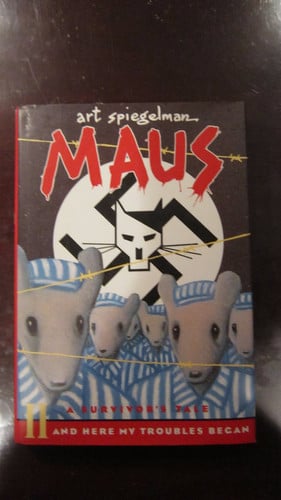
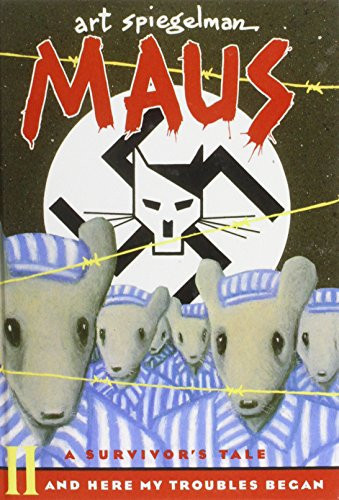
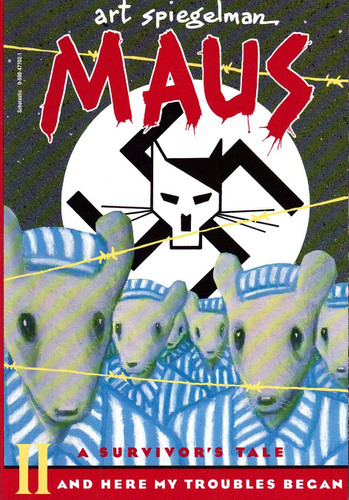
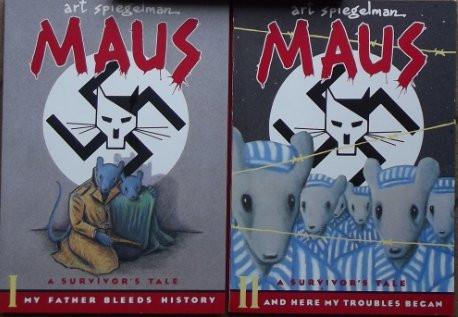
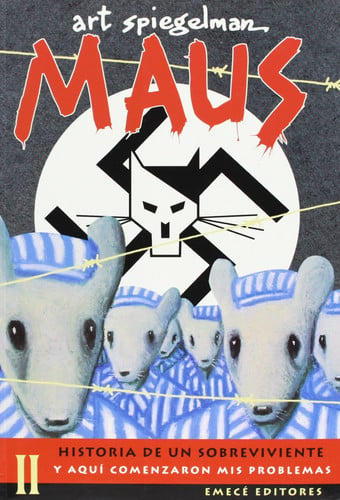
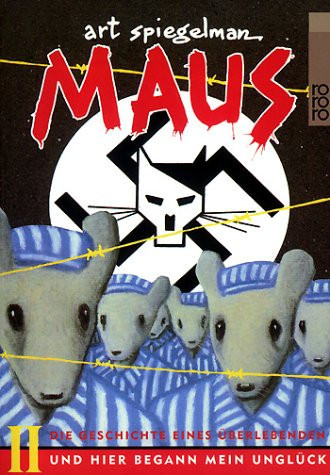
Positives The reviews consistently praise this graphic novel as a powerful and extraordinary masterpiece, worthy of its Pulitzer Prize. Readers highlight its unique and brilliant use of the comic book format, employing animal metaphors to depict the harrowing experiences of the Holocaust in a way that makes the atrocities stark and deeply personal, preventing emotional detachment. The book is lauded for its insightful portrayal of survival, demonstrating the tenacity, resourcefulness, and adaptability required to endure unimaginable circumstances. Many found it profoundly educational, offering a perspective on the human cost of historical events that goes beyond conventional narratives. It is commended for its ability to balance the grim realities of the past with elements of humor and the complexities of family life, creating a narrative that is both heartbreaking and full of hope.
Negatives Despite its acclaim, reviews note that the book is significantly more intense and dark than its predecessor, with disturbing depictions that sometimes require readers to pause and digest the content. A central, challenging aspect explored is the difficult and often strained relationship between the author and his aging father, a survivor whose personality, marked by extreme frugality and at times contradictory views, can be frustrating. The narrative delves into the complexities of generational gaps, highlighting the author's own struggles with feelings of inadequacy and "survivor's guilt," even though he was born after the events. Furthermore, the book's meta-narrative, which examines the author's ambivalence about creating such a successful work about the Holocaust and the unwanted attention it brings, adds layers of emotional complexity to the reading experience.
Conclusion Overall, this graphic novel is regarded as an unforgettable and essential read that leaves a lasting emotional impact, often haunting readers long after completion. It is celebrated for its objective and balanced approach, refusing to portray anyone as a saint and exploring the morally ambiguous nature of survival and human behavior under extreme duress. The book excels at capturing the randomness of survival and the profound, enduring consequences of trauma on individuals and their families across generations. It comes highly recommended for anyone interested in a deeply moving, educational, and thought-provoking exploration of history, personal memory, and the intricate dynamics of parent-child relationships, all presented through a uniquely powerful artistic medium.