In the heart of Matagalpa, Nicaragua, where the dust settles thick on unpaved roads and the vibrant hum of life often clashes with stark realities, many families carry a hidden burden. It is a burden that manifests in the minds of their loved ones, a psychotic disorder that often emerges during the tumultuous years of puberty, reshaping lives and challenging the very fabric of family existence. For five years, the stories of these families unfolded, revealing a profound struggle against an illness barely understood and rarely treated.
Imagine a small, crowded home where a young man, once full of laughter and promise, now speaks to unseen figures, his eyes distant, his movements erratic. His mother, her face etched with worry, tries to calm him, her voice a soft, persistent murmur against the rising tide of his distress. This is the reality for countless households, where the onset of psychosis plunges them into a world of bewilderment and fear. The initial hope for a cure, a miraculous intervention, often gives way to a weary resignation as traditional remedies and desperate prayers offer little solace.
Poverty casts a long shadow over these struggles. Without access to specialized medical care, families are left to navigate the bewildering landscape of mental illness largely on their own. The search for help becomes a labyrinth of dead ends, with limited resources and a societal understanding that often stigmatizes rather than supports. The quiet desperation of parents watching their children slip away, or siblings grappling with the unpredictable behavior of a brother or sister, is a common refrain.
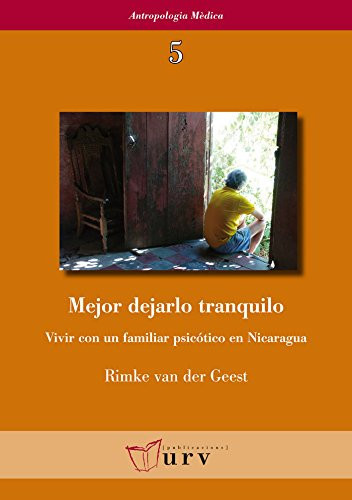
The phrase "Mejor dejarlo tranquilo" – better to leave him alone – echoes through these communities, not as a sign of neglect, but as a hard-won strategy for survival. After years of exhausting battles, of trying to reason with the irrational and to mend what seems broken beyond repair, families often adopt this approach. It is a heartbreaking compromise, born of necessity, to maintain a semblance of peace and make daily life as bearable as possible, even if it means stepping back from the turbulent internal world of their loved one.
Yet, within these challenging circumstances, a resilient spirit persists. You witness the unwavering love of a mother who continues to feed and shelter her child, despite the violence and confusion that sometimes erupt. You see siblings who, though often frightened, try to protect their afflicted family member from the harsh judgments of the outside world. These are not just tales of despair, but also of profound human connection and an enduring commitment to family, even when faced with overwhelming odds.
Through the eyes of health workers and community members, a broader picture emerges of the scarce support available and the prevailing societal attitudes towards psychosis. There is a deep need for understanding, for resources, and for a shift in how mental illness is perceived and addressed. The stories collected here serve as a powerful testament to this urgent necessity, painting a vivid portrait of the human cost when psychiatric care is a luxury and not a right.
Ultimately, this journey through the lives of these Nicaraguan families becomes a fervent plea. It calls for a future where psychosis is met not with bewildered silence or resigned acceptance, but with accessible, compassionate home-based psychiatric care. It champions the vital role of families, not as mere caregivers, but as integral partners in the treatment and healing process, ensuring that no one is left to face the profound challenges of mental illness in isolation.