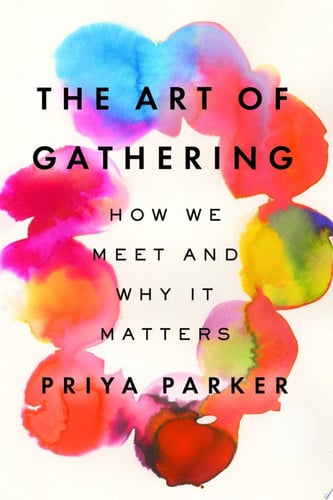
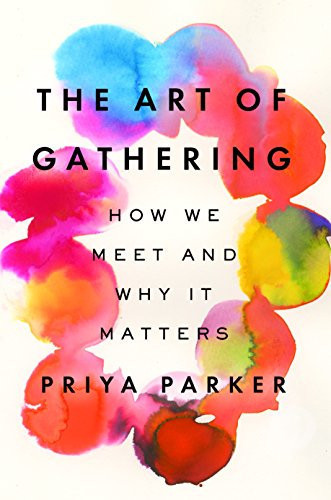
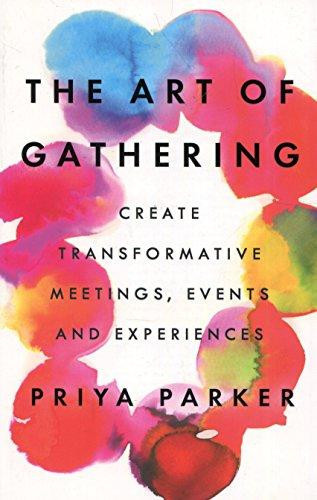
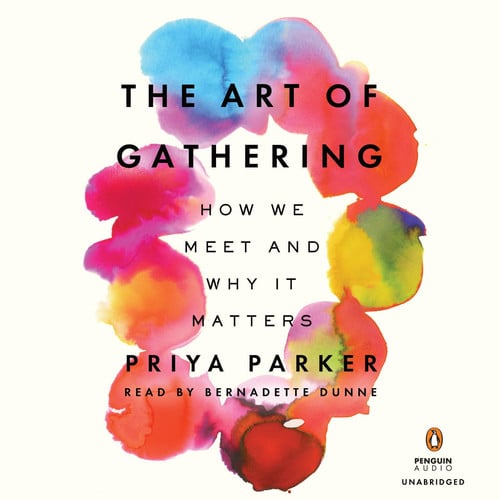
Positives The book is widely praised by many readers for its transformative approach to gatherings, offering a refreshing perspective that reframes how people think about hosting and participating in events. Reviewers frequently highlight the author's emphasis on intentionality and purpose as a "game-changer," arguing that every gathering, from casual dinner parties to large corporate conferences, benefits from a clear mission. Many found the advice practical, actionable, and easy to implement, leading to immediate improvements in their own events. The book is lauded for shifting the focus from mere logistics to fostering deeper human connection, making guests feel more comfortable, engaged, and authentic. Its broad applicability across various types of social and professional settings, coupled with its thought-provoking insights into challenging traditional gathering norms, resonated strongly with readers seeking to create more meaningful and memorable experiences.
Negatives Conversely, a significant number of readers expressed strong criticisms, primarily revolving around the author's perceived elitism and out-of-touch perspective. Many felt that the frequent name-dropping and reliance on examples from exclusive, high-profile events made the advice irrelevant or condescending to those planning more ordinary gatherings. This contributed to a sense of arrogance or preachiness for some, who found the author's methods overly prescriptive and dismissive of more spontaneous or "chill" approaches. Critics also argued that the book advocates for excessive planning and structuring, which could stifle natural interaction and joy. Concerns were raised about the book's unclear scope, as it often jumps between social and professional contexts without sufficient distinction. Some also found the writing repetitive or the anecdotes unconvincing, leading to skepticism about the universal success of the author's methods.
Conclusion Ultimately, the book appears to be highly polarizing, with readers either finding it profoundly impactful or deeply frustrating. Despite its flaws, many reviewers acknowledged that it offers valuable insights into the often-overlooked art of bringing people together. It is particularly recommended for anyone who regularly organizes or participates in gatherings, including hosts of dinner parties, facilitators of corporate meetings, wedding planners, or those involved in family events and book clubs. The book appeals to individuals who are frustrated with uninspired or inefficient meetings and are actively seeking ways to enhance engagement and connection. However, it may be less suited for readers who prefer spontaneous, unstructured social interactions or those who are wary of highly formalized approaches to human gathering.