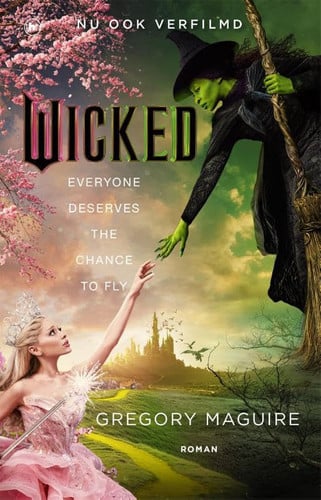
The world of Oz was not always a land of simple good and evil, but a place teeming with political intrigue, moral ambiguity, and the quiet suffering of those deemed "different." It was into this world that Elphaba was born, a creature of emerald skin, unnerving teeth, and a profound aversion to water. Her birth, an event shrouded in mystery and scandal, marked her as an outcast from her very first breath, a burden to her devout Unionist father, Frex, and a source of quiet shame for her beautiful, troubled mother, Melena. Only the ever-present Nanny offered true affection, nurturing the green child as she grew up isolated, watching her younger sister, Nessarose, born without arms but showered with their father's adoration, receive the conventional love she was denied.
Life at Shiz University offered a different kind of alienation, yet also the seeds of profound connection. Here, Elphaba's sharp intellect and prickly demeanor clashed, then unexpectedly intertwined, with the effervescent, social-climbing Galinda. Their unlikely friendship blossomed amidst academic pursuits and the growing unease over the political climate of Oz, especially under the watchful eye of the enigmatic Headmistress Madame Morrible. It was Doctor Dillamond, a distinguished Animal professor, who truly ignited Elphaba's passions, opening her eyes to the systemic oppression of Animals and the insidious nature of the Wizard's burgeoning power.
The brutal, unexplained murder of Doctor Dillamond shattered Elphaba's academic world and cemented her distrust of authority. Convinced that Madame Morrible and the Wizard were complicit in the silencing of Animal rights advocates, Elphaba abandoned her studies and plunged headlong into a life of clandestine activism in the Emerald City. She joined a burgeoning resistance movement, her fierce convictions hardening with each injustice she witnessed. It was during this turbulent period that she found an unexpected, consuming love with Fiyero, a married prince, a passionate affair that offered brief, stolen moments of tenderness amidst the escalating political turmoil.
Their love, however, was tragically cut short. Fiyero was ambushed and murdered by the Wizard's relentless enforcers, a loss that tore a gaping wound in Elphaba's soul and sent her spiraling into a profound grief. Blaming herself and the machinations of Madame Morrible, Elphaba retreated from the world, seeking refuge in the austere solitude of a convent. Years passed in quiet penance and solitary reflection, during which she bore Fiyero's son, Liir, a child whose existence was a testament to a love both beautiful and doomed.
Eventually, Elphaba emerged from her seclusion, drawn by a complex mix of guilt and unresolved longing to Kiamo Ko, Fiyero's ancestral castle, hoping to find some measure of forgiveness from his grieving widow, Sarima. While there, she stumbled upon the Grimmerie, an ancient book of forbidden spells, and began to delve into the arcane arts, honing a latent magical ability and earning herself a growing, whispered reputation as a witch. Her solitude was broken by news from Munchkinland: her sister, Nessarose, now ruler, had been tragically killed by a falling house.
At Nessarose's funeral, a tense reunion with Glinda unfolded. Elphaba, though outwardly detached, was consumed by a quiet fury upon learning that Nessarose's prized, enchanted silver shoes had been given to the strange girl from Kansas, Dorothy Gale. These shoes, Elphaba believed, were her birthright, a symbol of her family's legacy, and she feared they would become another tool in the Wizard's oppressive regime. Her singular focus became retrieving them, a quest that led her, broomstick and all, to the distant land of the Vinkus.
The confrontation was inevitable. Elphaba sought out the Wizard, demanding answers about Fiyero's fate and the capture of his family, only to learn of their brutal deaths. Her path then converged with Dorothy and her companions. She confronted the young girl, demanding the return of the shoes, but Dorothy claimed they were inexplicably stuck. In a desperate, fiery struggle, Elphaba found herself engulfed in flames. As Dorothy, in a misguided act of mercy, threw a bucket of water to douse the fire, the liquid, an anathema to Elphaba's green skin, brought about her swift and unexpected end. Her life, a tapestry woven with rejection, fierce conviction, and tragic love, concluded not with a grand act of wickedness, but with a simple, fatal accident, forever cementing her legend as the Wicked Witch of the West.







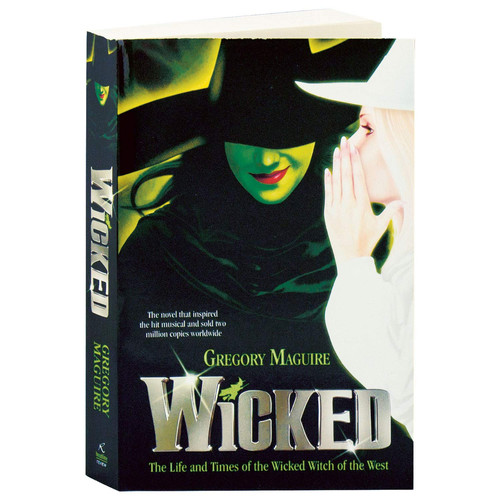


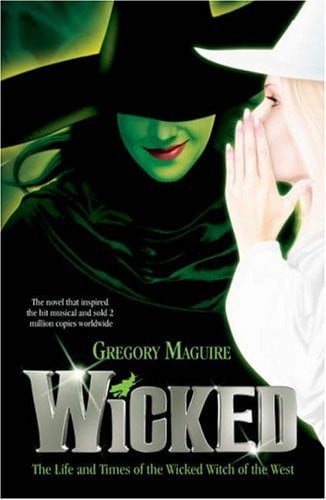


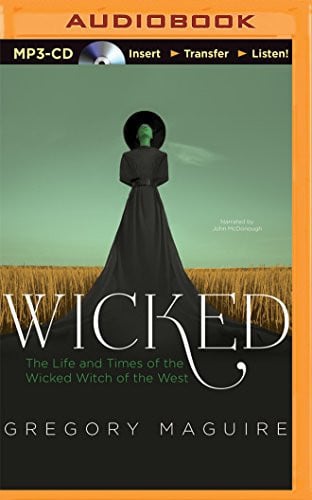

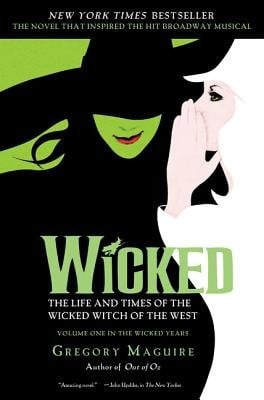

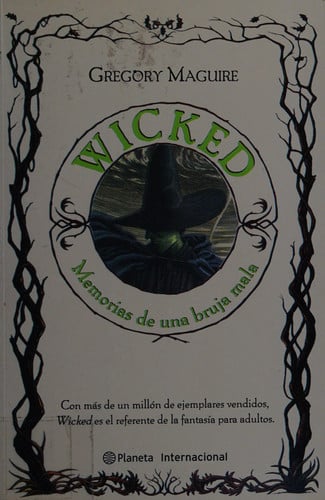

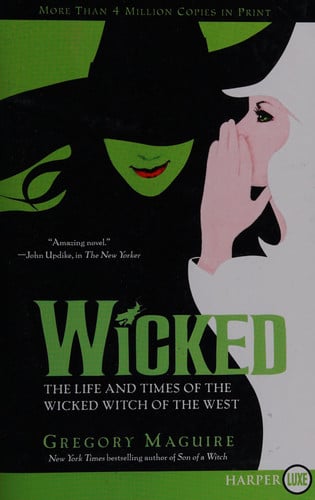
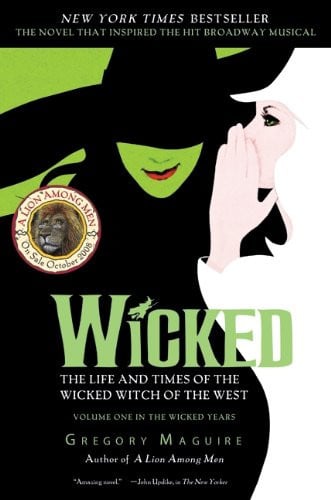

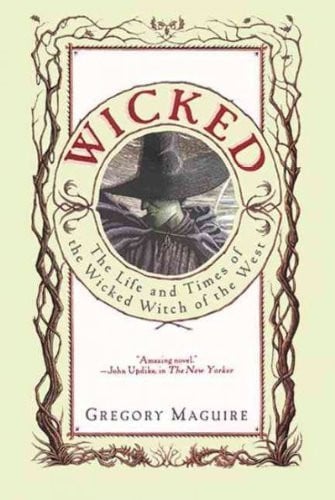
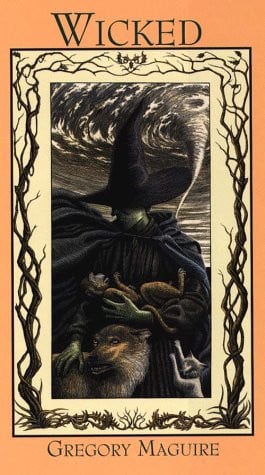
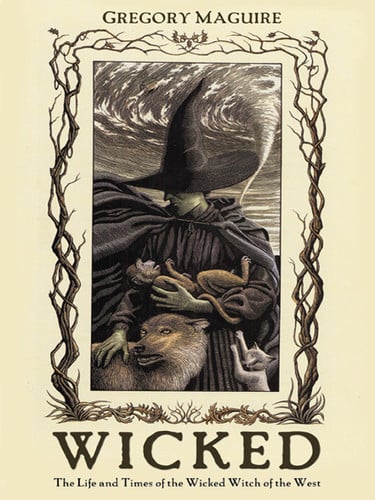
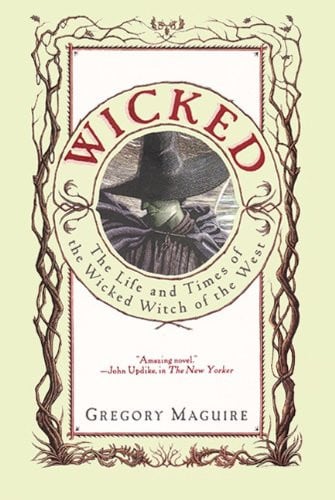
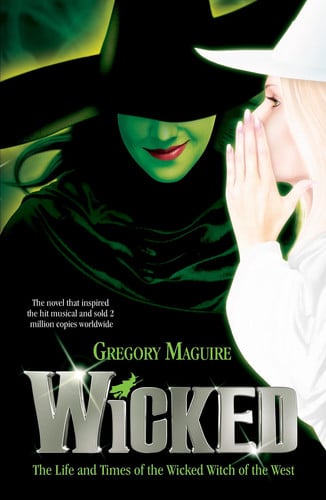
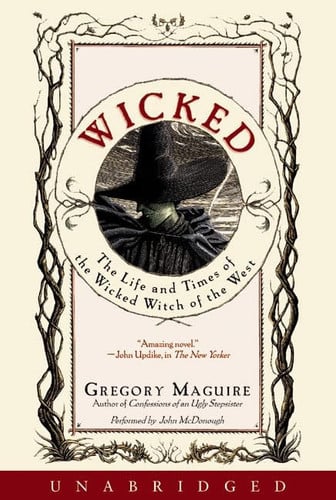
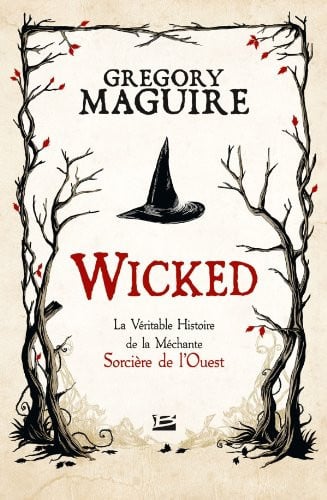
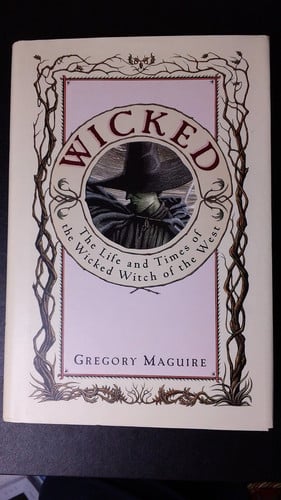


![Wicked [Movie Tie-In #2] The Life and Times of the Wicked Witch of the West](https://images.isbndb.com/covers/15921503482210.jpg)