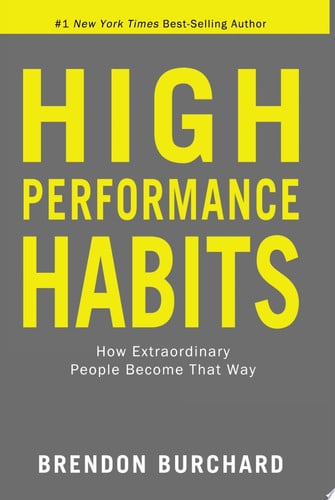
Positives The book receives praise from many readers who found it to be a highly influential and potentially life-changing resource. Reviewers appreciated the author's authenticity and his genuine belief in the mission to help people achieve extraordinary performance. The book is commended for offering a unique perspective on cultivating habits, emphasizing the importance of developing a proper mindset before implementing practical actions. Many found the detailed explanations of the six core habits to be helpful, practical, and a clear roadmap for personal growth. The content is noted for providing a structured framework, meaningful questions, and actionable tools that can lead to significant mindset shifts concerning productivity, authenticity, self-discipline, and goal attainment. It is particularly valued by those seeking strategies to maintain high performance over the long term and avoid burnout.
Negatives Conversely, a significant portion of the reviews expressed strong criticism, labeling the book as unoriginal, repetitive, and excessively long. Many readers were put off by what they perceived as the author's self-absorbed, "braggy," and overly promotional tone, especially in the introduction. Critics argue that the book offers little new insight, essentially rehashing concepts already covered more elegantly in classic self-help literature. Some felt the core message could be condensed into far fewer pages, suggesting a deliberate elongation of the text. Concerns were also raised about the author's methodology, with some reviewers pointing out a perceived lack of primary research and questioning the classification of certain characteristics as "habits." The writing style was described by some as irritating and circular, taking too long to deliver useful information.
Conclusion Ultimately, this book elicits a polarized reaction, with its reception largely depending on the reader's prior experience with similar genres and their tolerance for the author's style. For individuals new to self-help or performance coaching, it may serve as a beneficial introduction, offering a foundational understanding and practical steps for improvement. It is also recommended for those who are already high performers but are grappling with burnout or the sustainability of their success, as it provides tools for long-term well-being and consistent achievement. However, readers seeking groundbreaking originality, concise content, or those sensitive to self-promotion may find it redundant or frustrating. It is best suited for those willing to engage deeply in introspection and embrace a direct, motivational approach to personal development.