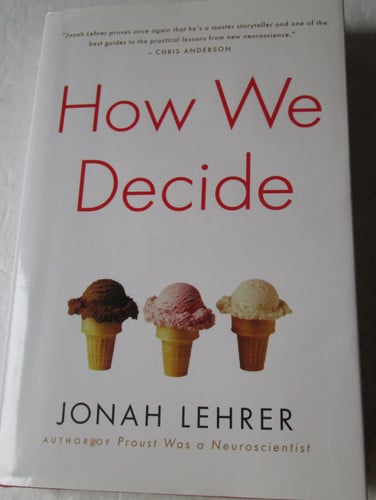
The cockpit lights flared crimson, alarms blared, and the simulated Boeing 737 shuddered violently at seven thousand feet. The left engine was ablaze. In that agonizing instant, with the Tokyo skyline rushing closer, the pilot faced a brutal choice: climb, risking a stall, or dive, hoping to regain speed and control. This wasn't a question of pure logic; it was a visceral, heart-pounding negotiation between instinct and analysis, a dance that ultimately saved the simulated flight. Yet, when the scenario was replayed, and a different decision made - to climb - the outcome was catastrophic. This thin, perilous line between a good decision and a disastrous one is precisely where the journey into the human mind's decision-making truly begins.
For centuries, the prevailing wisdom held that our choices were born either from cold, hard rationality or from the unpredictable whims of emotion. Plato himself envisioned reason as the charioteer, struggling to rein in the wild horses of our feelings. But modern neuroscience paints a far more intricate picture. The mind, it turns out, is not a simple battleground but a complex, collaborative network where emotion is not the enemy of reason, but often its indispensable partner. We are not purely rational animals; rather, our evolution has wired us with a mind that seamlessly blends instinctive feelings with deliberate thought, the precise mix depending entirely on the context of the situation.
Consider the subtle, often unconscious signals our brains send. Dopamine, for instance, is not just about pleasure; it's a crucial predictor of value, constantly updating our expectations and guiding our actions. When we experience something rewarding, dopamine neurons fire, reinforcing the pathways that led to that positive outcome. This intricate reward circuitry allows us to learn from experience, to develop a nuanced intuition that can be remarkably accurate and swift. It's the quarterback instinctively knowing where to throw the ball in a chaotic pocket, relying on years of accumulated pattern recognition rather than conscious calculation.
However, the emotional brain, while powerful, is not infallible. There are moments when feelings can betray us, leading us astray with biases rooted in ancient survival mechanisms. Loss aversion, for example, makes us cling to what we have, even when logic dictates cutting our losses. This is evident in the common investor mistake of holding onto underperforming shares while selling good ones, driven by the desire to avoid the pain of acknowledging a loss. Our emotional responses, while essential for quick judgments, can sometimes prevent us from choosing the better settlement in high-stakes situations, like a game show, when anger or pride clouds our rational assessment.
This is where the rational brain, the prefrontal cortex, steps in. Its strength lies in its capacity for slow, deliberate analysis, for weighing pros and cons, and for considering long-term consequences. When faced with novel or complex problems, those without immediate emotional cues, the rational mind is indispensable. The Challenger disaster, for instance, serves as a stark reminder of what can happen when careful deliberation is bypassed, and the rational warnings are overridden. This part of the brain allows us to engage in metacognition - the ability to think about our own thoughts and feelings, to question our instincts, and to deliberately choose to ignore an emotional response if it proves to be irrational.
Yet, even reason has its limits. Sometimes, overthinking can paralyze us, causing us to "choke" under pressure. When an action has become automatic, ingrained through practice and intuition, the conscious interference of the rational mind can disrupt the fluid, practiced execution. It's like a golfer suddenly trying to micromanage every muscle movement during a championship swing, ruining what was once effortless. The key, then, is not to choose between emotion and reason, but to understand when each is best suited for the task at hand.
Life, in many ways, mirrors a high-stakes poker game. We are constantly making decisions with incomplete information, weighing risks, and navigating uncertainty, all while managing our own emotions and trying to decipher those of others. Success in this game depends not on finding certainty, but on making the best possible call given the odds, and learning to control the emotional swings that can distort judgment. The brain, in its essence, is an ongoing argument, a negotiation between competing impulses - emotional drives, rational calculations, immediate gratification, and future planning.
Ultimately, mastering the art of decision-making requires a deep understanding of this internal dialogue. It means recognizing when to trust the quick, intuitive insights honed by experience and when to step back, slow down, and engage in thorough, deliberate analysis. There is no universal formula; instead, it is about cultivating self-awareness, learning from both successes and mistakes, and continually thinking about how we think, allowing us to tweak our mental instincts and navigate the complexities of choice with greater wisdom.